
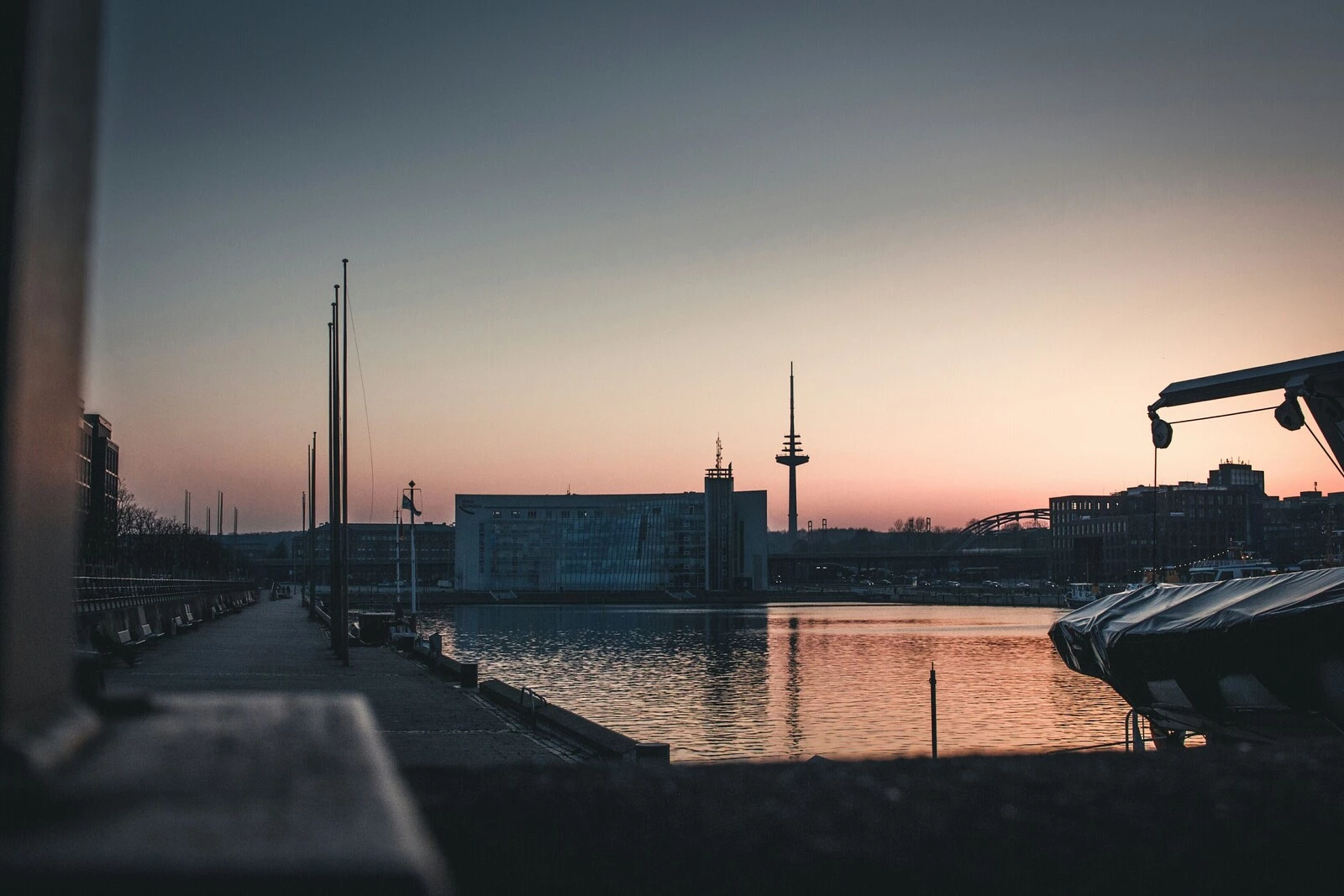
Amid the escalating impacts of increased urbanization and urban waste generation, cities around the world have adopted a range of solutions to deal with the waste problem. However, these solutions have been partially effective, falling short of fully addressing the issue. Landfills still pollute soil and groundwater, burning waste emits greenhouse gases, and much of this waste ends up in seas and oceans. Yet, the German city of Kiel has made significant strides towards becoming a city completely free of waste, a concept known as “Zero Waste.” Kiel’s efforts are concentrated within a comprehensive waste management strategy that addresses all aspects of waste production, recycling, and accumulation, contributing to transforming the problem into sustainable economic opportunities.
Germany, one of Europe’s largest economies, presents a somewhat an interesting case. Despite being a global leader in waste recycling, it stands among the countries with the most municipal waste generated in the continent. The per capita waste production in Germany is approximately 646 kg per year, compared to the European average of 530 kg, according to 2021 statistics. Only four European countries recorded worse rates than Germany. However, the city of Kiel has distinguished itself in Germany by significantly reducing waste quantities, earning it the title of the “Zero Waste City.” This recognition comes from the non-profit network “Zero Waste Europe,” comprising non-governmental organizations. The network, shared by over 480 municipalities and local entities across the European Union, aims to assist cities in developing their circular economies.
Despite that this certification is unofficial, it sheds light on the vision and practices adopted by participating cities in waste management, aiming to reduce its impact on society and the environment. It’s worth noting that this certification does not imply that the city has already achieved zero waste disposal; rather, it signifies the city has laid out a roadmap to enhance waste management. The city commits to comprehensive strategies aiming at reducing waste production, reusing and recycling, and adopting innovative resource management. The overarching idea is the pursuit of minimizing waste and, simultaneously, maximizing the utilization of resources embedded in the waste. This, in turn, leads to a reduction in the need for raw material extraction, lowering the associated carbon footprint. Waste sorting strategies, recycling and manufacturing programs, and the promotion of sustainable material use all contribute to alleviating the burden on landfills.
The “Zero Waste” plan developed by the city of Kiel includes a comprehensive set of over a hundred measures aimed at reducing waste generation by 15% per person by the year 2035. Additionally, the plan aims to cut the remaining general waste, particularly non-recyclables, by half. One of the key factors contributing to the city’s success in recycling is the implementation of a multi-faceted overarching plan. This plan integrates a range of measures and approaches, supported by various multi-sectoral strategies to address waste sorting issues, robust infrastructure, and innovative recycling technologies. Some approaches have focused on positively influencing the behaviors of the city’s residents to actively engage them in the success of the plan.
The city, for example, has started implementing a “Pay as You Throw” system on a trial basis. This system imposes fees on households based on the quantity of general waste collected by the municipality, and it has successfully reduced such waste by 25% when implemented in other cities in Germany. Additionally, the city provides financial and in-kind incentives to encourage the abandonment of certain single-use health products, such as commonly used disposable diapers. The city offers a grant of 200 euros (210 US dollars) to each family with a newborn to purchase reusable products.
In its pursuit of innovation and practical solutions, the city of Kiel is also supporting the field of upcycling waste, turning what normally is considered valueless waste into useful products. For example, one company is turning hair waste collected from barber and hairdressing shops into materials used as filters to separate oil from water in some maintenance processes in the city.
Recycling culture is deeply ingrained in German society, yet the full potential of Kiel’s waste system, like in many parts of Germany, is still untapped due to key challenges. Key among these is consumers incorrectly sorting waste. Another challenge is over relying on recycling. While it can reduce landfill-bound waste, focusing on recycling alone is not an optimal solution. Reducing waste generation should be the ultimate goal preventing overflowing landfills in the first place.
Germany produced roughly 11 million tons of food waste annually, with households contributing 59%, and the remainder originating from restaurant waste. While the federal government aims to halve food waste by the end of this decade, public response remains lacking. Kiel’s encouragement for restaurants to distribute surplus food is a short-term solution, underscoring the need for sustained efforts to effectively reduce food waste.
There is no doubt that Kiel’s experience will be valuable for other cities aspiring to achieve a zero-waste vision. One of the key lessons learned from this experience is that a comprehensive, multi-faceted strategy yields better results. Financial and non-financial incentives play a crucial role in reshaping consumer behavior and fostering a sense of responsibility. The experience also emphasizes the importance of consumer awareness and education regarding the correct methods to facilitate recycling, prevent waste, and reduce overall waste generation.
References:
- https://www.weforum.org/agenda/2023/11/kiel-zero-waste-city/
- https://www.theguardian.com/lifeandstyle/2023/oct/18/the-zero-waste-city-what-kiel-in-germany-can-teach-the-world
- https://www.kiel.de/de/umwelt_verkehr/zerowaste/_dokumente_zerowaste/zerowaste_kiel_konzept.pdf
- https://zerowastecities.eu/kiel-becomes-germanys-first-zero-waste-certified-city/