

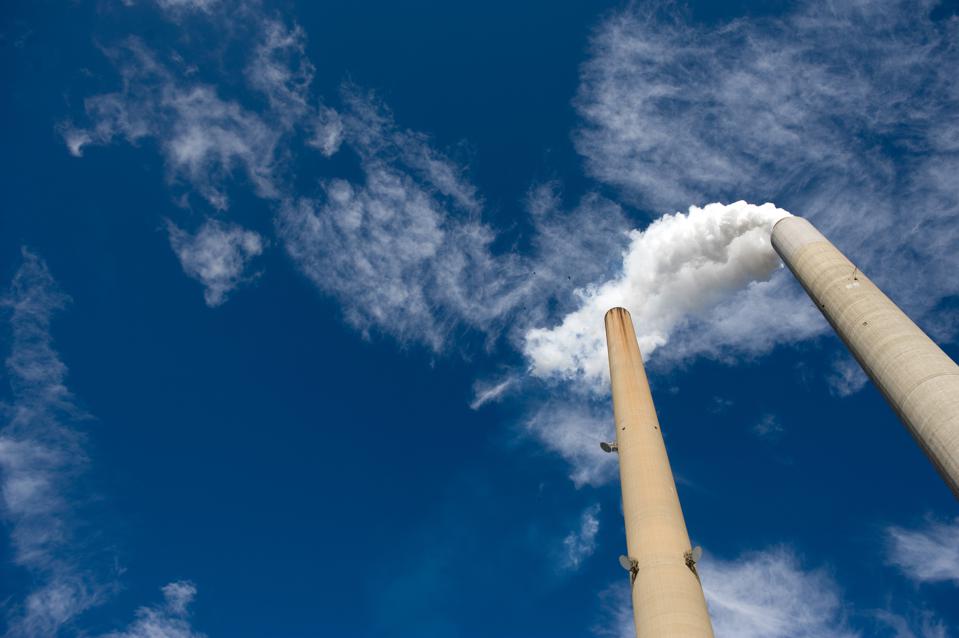
The Norwegian Parliament has approved funding for 70% of the budget for the world’s first large-scale carbon dioxide capture and storage project. It is a mega project that will be implemented between 2022 and 2024. Norway has built this project on a solid foundation of research and pilot projects that have lasted for decades, This was an important step towards strengthening carbon dioxide capture and storage technology to mitigate climate change in Norway and Europe. and the world of the future.
European countries are accelerating towards achieving the goals of the Paris Global Agreement to reduce the effects of climate change, Where each country has developed plans that are consistent with its circumstances, In pursuit of the EU’s goal of a continent free of greenhouse gas emissions from human activities – or so-called carbon neutrality – by 2050. As part of these efforts, Norway recently launched an integrated project, It is the first of its kind and size, It aims to meet the climate challenge by adopting one of the most promising solutions, which is to capture carbon dioxide produced by industrial facilities and store it away from the ground.
This innovative solution is the result of decades of research and experimentation, It is a set of technologies designed specifically to capture carbon dioxide from heavy industrial activities that are difficult to remove carbon emissions from them by any other means, Such as cement and steel factories. These technologies can be applied in the production of energy and hydrogen gas as well. Carbon dioxide capture and storage technologies are expected to significantly reduce climate change not only in Norway and Europe. Rather, globally as a whole.
The Norwegian government has named the Longship CCS for its investment package for the project after the Viking civilization. It used to refer to fast ships that were built with innovative technologies that enabled them to expand their influence and economies. The name reflects Norway’s hope that carbon dioxide capture and storage technologies through the Longship initiative will open new trade routes with the world and build a new model for its economy. Especially that these technologies will help in the future to accelerate the process of extracting hydrogen gas from natural gas in environmentally friendly ways, with light or no carbon emissions, This supports Norway’s clean energy sector.
The Norwegian government has allocated $1.8 billion to finance the project, which is expected to cost between $2.7 billion and $3 billion. With the participation of the private sector represented by three of the largest oil companies in Europe, These are Norwegian Equinor and Shell and Total. In its first phase, the project aims to capture carbon dioxide from some industrial facilities. Starting with the Nursim Heidelberg cement plant near Oslo. If the project receives additional funding from the private sector, These carbon capture technologies will be applied at the Clemstrod waste-to-energy facility.
After the project techniques capture carbon dioxide from the cement plant or other industrial facilities, The process of gas compression and temporary storage begins at the site, He then transported him on gas tankers to an offshore terminal that the participating oil companies had invested in building since last year in the North Sea off Norway’s west coast in preparation for the Longship project. And also to provide similar services to the industrial sector in Europe. Next, Carbon dioxide is pumped through pipes to geological layers up to 2,600 meters below the seabed to remain stored there safely and permanently. The “North Lights” project, established by oil companies to transport and store carbon dioxide, As a complementary project to Longship, it captures and stores 1.5 million tonnes of carbon dioxide per year upon completion of its first phase in 2024. This capacity is expected to reach 5 million tonnes per year as the project expands and the number of plants willing to use carbon capture services grows in the future.
Government entities are currently working with the concerned companies to establish a participatory organization that will be responsible for all project activities, including business development processes. The project will also include the provision of subseabed carbon dioxide storage services to various European factories to contribute to the achievement of the goals of the Paris Climate Agreement. Preliminary agreements have already been made with several plants in Europe to transport and store carbon and help them reduce their carbon emissions over the coming years.
According to Norwegian government sources, The Longship project will contribute to the goals of the European Union’s Green Agreement, which provides for a 55% reduction in greenhouse gas emissions in 2030 compared to 1990 levels. The 2018 paper by the United Nations’ Intergovernmental Panel on Climate Change (IPCC) listed CCS technologies into three of the four pathways that countries must choose to avoid the catastrophic effects of climate change and ensure that temperatures remain below 1.5 degrees below pre-industrial levels.
References: