

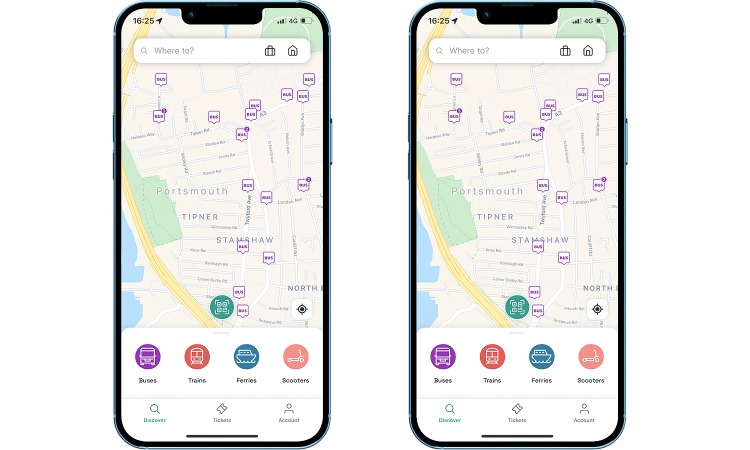
In recent years, several countries have launched initiatives to harness advancements in information and communication technologies and electronic payment methods to unify various transportation services onto a single platform. This platform aims to provide consumers with unprecedented convenience in planning their journeys, selecting the best transportation options, booking, and purchasing tickets—all under the concept of “Mobility as a Service” (MaaS). However, these initiatives are still in their early stages and are generally limited in scope due to various challenges. In the United Kingdom, where multiple MaaS initiatives have been introduced, the government has recently issued a Code of Practice for MaaS concepts and applications. This code serves as a reference for standards and guidelines that align with the government’s vision for the UK’s transportation landscape, emphasizing social inclusivity and ensuring accessibility for all user groups.
MaaS provides consumers with complete freedom and the ability to control their travel arrangements, particularly those requiring two or more modes of transportation, to fit their schedules, budgets, and preferences. Ideally, the concept includes most available transportation modes in a city, county, or country, whether public or private, and of various types such as trains, buses, taxis, rental cars, bicycles, electric scooters, ferries, and more. This means that the platform should feature the schedules of each transport operator, with real-time updates, which requires integrating the different systems of each party into the MaaS platform—a complex technological challenge.
Another significant challenge is ticket pricing and revenue sharing among transport operators, technology providers supporting the MaaS platform, and local authorities that levy direct or indirect taxes on ticket sales.
Additional challenges related to the framework and design of the MaaS platform’s content and presentation to effectively fulfill its purpose and align with the UK’s future mobility vision have been gaining government attention since the publication of the “Urban Strategy for the Future of Mobility” in 2019. This strategy is built on three pillars: accessibility, inclusivity, and service provision for all segments of society.
The strategy spurred the development of the UK’s first MaaS platform in 2020 as part of the “Future Mobility Zone” project in the Solent region. This ambitious project, funded by the Department for Transport with £29 million (approximately $47 million), aims to test new approaches to mobility and logistics. The project’s vision is to develop a super-app that enables Solent residents to book any type of ticket for all modes of transport and various journey types without visiting each service provider’s website. A pilot version of the app, limited to a few options and modes of transport, has been released for testing and refinement. Additionally, West Midlands Transport has announced a similar plan to provide consumers with convenience, customized journeys, and lower costs.
Furthering its strategy, the UK government recently released a MaaS Code of Practice containing 34 recommendations to ensure inclusivity, safety, and accessibility for all users. The code urges platform developers and transport providers to proactively engage consumers with disabilities, integrate accessibility features into MaaS platforms, and address the needs of economically and socially disadvantaged groups.
The code encourages stakeholders to promote sustainable transport modes by disseminating information about their health benefits in reducing carbon emissions and highlighting the advantages of cycling and walking. It also emphasizes the importance of learning from global experiences, particularly case studies, to guide and develop MaaS platforms.
The government is cautious about imposing immediate regulations due to their potential impact on hindering innovation in MaaS platforms. Instead, the code and its associated projects will inform the development of future regulatory frameworks governing MaaS operations.
The code emphasizes accessibility and safety for People of Determination (Persons with Disabilities). This includes providing information about accessible routes and stations, suggesting alternative routes with accessible facilities, and designing the platform’s user interface to cater to the needs of visually impaired users. Additionally, the code recommends that platforms offer booking services for assistance with transferring between different modes of transport for passengers with disabilities.
The code also addresses the importance of data privacy and algorithmic fairness. It recommends handling sensitive data responsibly and conducting rigorous testing of the app’s algorithms to eliminate any bias against any user group.
Regarding the challenges, close collaboration among stakeholders, streamlined operations, and actively building trust among all user groups can effectively overcome obstacles.
Key takeaways from the UK’s experience include prioritizing accessibility and inclusivity for all users, promoting sustainable transport modes, and learning from global experiences.
References:
• https://www.intelligenttransport.com/transport-articles/135891/developing-uk-first-multi-city-maas-platform/
• https://www.gov.uk/government/publications/mobility-as-a-service-maas-code-of-practice/mobility-as-a-service-code-of-practice#ambition
• https://www.smartcitiesworld.net/mobility-as-a-service/mobility-as-a-service/uk-government-launches-mobility-as-a-service-code-of-practice-9308