MBRCGI Websites
|
Ibtekr.org
|
MBRCGI.gov.ae
|
UAE Innovates
|
Edge of Government
|
Pitch@Gov

The drive-through service guarantees swift detection and diagnosis

4 minute read
Drive-through screening centers for COVID-19 offer a quick and safe screening system in Korea and the UAE
Share this content

Add to Favorite ♡ 0

PCR testing is a crucial capability for managing disease outbreaks because COVID-19 infection symptoms are diverse and people with mild symptoms can still infect others. Hence, effective daily mass testing methods are an important intervention strategy for controlling any disease because they can contribute to detecting infection cases and enforcing the necessary mitigation strategies, such as social distancing. At the beginning of the outbreak, China and South Korea both suffered from a severe shortage of testing kits.

To ensure high-quality testing for large numbers of people, South Korea established temporary drive-through screening centers. The steps include testee registration and specimen collection. A short message is sent within 24 hours with the results. The entire service takes about ten minutes. These labs became at the forefront of this global pandemic control process.

One screening center in Seoul consists of four trailer-like offices with white canopies in front. Doctors in full protective suits and goggles take the driver’s temperature with an infrared thermometer and hand out a questionnaire to fill out.  If you’re running a fever and, in the doctor’s opinion, may be at risk based on where you’ve been or whom you’vecontacted, you’re eligible for a test. Only the driver is tested — passengers are not.

Within the same context, the Abu Dhabi Health Authority launched a similar initiative. Screening centers will be established in Dubai and Sharjah to serve Ajman, Umm Al Quwain, Ras Al-Khaimah, Fujairah, Al Ain, and Al Dhafra by mid-April. These centers operate daily in Abu Dhabi from 8:00 am until 8:00 pm. The test is provided free of charge while taking into account that priority is given to potentially infected people and those at a higher risk of infection, such as the elderly, pregnant women, or people suffering from chronic diseases.

South Korea has more than 500 screening sites, which have screened 100,000 people. Drive-through screening centers speed up tests and increase their number, thus allowing South Korea to surpass other countries as it has tested as many as 384 people in one day.

As for the United Arab Emirates, the screening center in Abu Dhabi offers its services to 600 at-risk persons. Moreover, a decision was made to establish screening centers in other emirates to improve testing potentials across the country.


Subscribe to Ibtekr to stay updated on the latest government initiatives, courses, tools and innovations
Register Now
Subscribe to Ibtekr’s Newsletter
Innovators’ Mailing List
Our newsletter reaches more than 30,000 innovators from around the world! Stay up to date with innovations from across fields of practice in the public sector.
Subscription Form (en)
More from Ibtekr

The Deviation Game: A Japanese Innovation Rekindling Human Creativity in the Age of Algorithms

In a world increasingly shaped by artificial intelligence, a deceptively simple game emerging from Japan, “Deviation Game,” is making a bold statement: human creativity still holds a unique power that no machine can replicate. By nudging players to think beyond conventional cues and craft ideas that defy algorithmic imitation, the project highlights not just the current limitations of AI, but the irreplaceable essence of human expression.

 · · 8 October 2025

The New DGP: A Data Tool that Aims to Track Inequality in Real-time

Experts are gaining a direct view of the economy’s core dynamics, uncovering not only the scale of growth but also who truly benefits from it. This American initiative provides policymakers with powerful tools to track and respond to disparities in real time, introducing a groundbreaking innovation that redefines how the economic landscape is understood.

 · · 8 October 2025

Redesigning Comfort: The Navy’s Quest for Better Uniforms for Female Sailors

In the US Navy, one of the most demanding work environments in terms of precision and efficiency, the administration observed female personnel feeling restricted by the standard uniform. It embarked on an ambitious mission to redesign it using an innovative, data-driven, and inclusive approach, ensuring it met their needs and the nature of their duties while remaining a symbol of professionalism, identity, and unity.

 · · 8 October 2025

How Technology is Helping Track Graffiti to Fight Hate Crimes in Canada

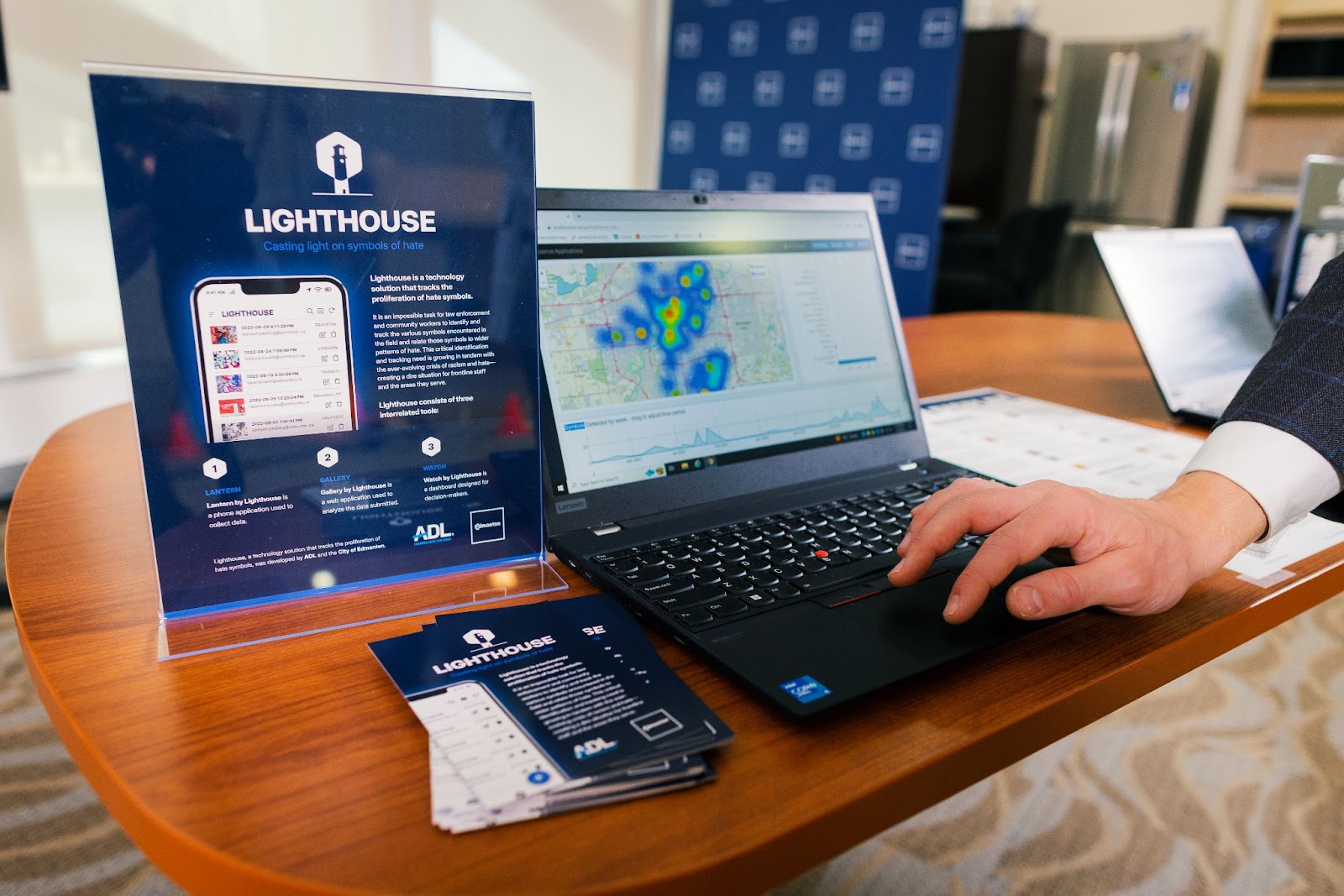
In the era of artistic freedom, a creative product can either inspire peace or embody intolerance. In Canada, a nation that prides itself on its diversity, the spread of hate cannot be permitted, even within an artistic framework. Consequently, the city of Edmonton launched the "Lighthouse" initiative, harnessing the power of technology to monitor and mitigate expressions of hate.

 · · 23 September 2025

Voices of Poverty: A Narrative Approach to Human Development in India

The Indian Poverty and Human Development Monitoring Agency (PHDMA) has reimagined its data collection methods to cultivate a genuine understanding of the lives of the people behind the statistics. By gathering narratives and visual evidence, analyzing data, and unifying stakeholders, the agency is establishing a novel approach to human development.

 · · 23 September 2025
1 2 3 91
magnifiercrossmenuchevron-down