

To help emergency crews locate callers and speed up the arrival of assistance, The American city of Alexandria has employed cloud computing technology that uses mobile phone data to accurately determine the source of the call, show the caller’s location from the building, and keep pace with any change in his movement and coordinates. And even enable her to make video calls.
Over the past decades, The development of technology and the use of modern mobile phones has witnessed a revolution that has changed the dynamics of life, This is well understood by the first responders in emergency centers, They are witnessing this digital transformation on a daily basis. Whereas, when a person calls the emergency service, His call diverted to a building called the central office that houses information run by telephone companies. This office uses the phone number to determine the source of the call and transfer it to the area’s emergency center. In some areas where both the old system and the next-generation system exist, Operators use GIS to route calls based on stored data. Thus, The call is routed to the correct emergency call center after it passes through the central office. At the same time, The call is sent to the database management system to match the phone number with the registered location, To provide the responder with automatic location information. This process takes a few seconds, Once the landline number is registered at the caller’s current address, The system will show it every time, But he cannot locate the caller inside the house, Such as the room or floor in which it is located.
In the United States, A recent report highlighted weaknesses in the performance of emergency response centers from the capital through all states. Despite the existence of technology that enables response teams to track mobile phone locations, They refrain from using them and prefer to rely on caller profiles. This is due to the inaccuracy of the current technology that locates callers by coverage towers. In Alexandria, Virginia, If someone calls emergency from one side of the river, The signal was better in a cover tower on the other side, The call will be routed to the wrong center, It is an incident that is often repeated. In addition, The training received by operators is not without gaps related to the use and supervision of mapping technology.
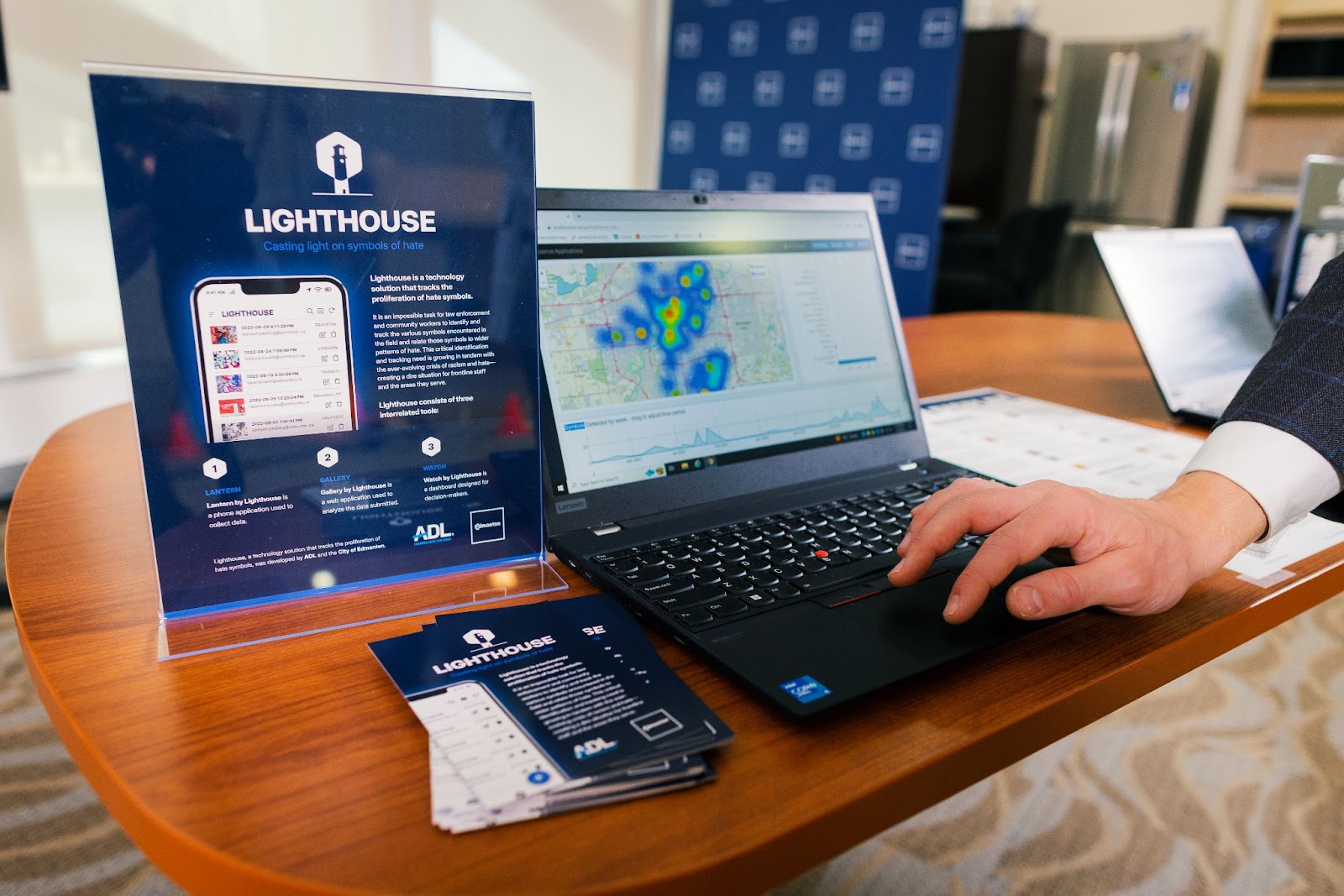
Hence, The need to locate emergency services callers more precisely has emerged, This prompted the city authorities to cooperate with the software company “Rapid Debate” to create a new technology for emergency calls, Where a platform based on cloud computing technology was established, Named “Radius Plus”, It is hosted by Microsoft Azure. This platform provides a live map of emergency calls made from mobile phones, It displays the caller’s location, weather data and speed cameras, It also allows simultaneous interpretation of text messages from 60 languages.
today Many callers use their mobile phones for emergency calls, The location information is provided by the mobile network. Because respondents ask for the location of the emergency before its details, The emergency center system determines the location of the coverage tower from which the call was made and the approximate location of the caller himself, Any location within 300 meters of the nearest coverage tower, It is approximately the size of 3 football fields, The emergency operator can quickly divert the wrong call.
Unlike legacy systems that typically require the integration of data from different sources, The current system enables a personalized user experience, It also allows communication between maps, If a call reaches the wrong center, The right center can see them on their map before the wrong center receives them and transfers them to them.
This system is not the first such innovation implemented in the city of Alexandria, During the COVID-19 pandemic, Officials were forced to take action to enable responders to work remotely. Despite the concerns surrounding this idea, Respondents received calls from their homes, Each used a laptop, headset, smartphone and hotspot linked to the first responder network body to ensure uninterrupted communication. Besides a mobile router (router), and a computer-assisted mentoring program.
The use of modern technologies in emergency response services is popular in other U.S. cities as well. The city of Baltimore has employed technology that will help collect data and create a live map that integrates with emergency service centers’ communications systems to accurately locate callers. This technology collects data from map engines, weather and traffic forecasts, and surveillance camera footage, and provide it to the respondent. In the context of the pandemic, Data from the country and hospitals shall be added to these data, including local information on the number of cases, their distribution, graphs and hospital capacity. It may fetch information from the global map of virus tracking and from the Centers for Disease Control and Prevention.
Besides shortening call forwarding time, This new technological option allows a return to old expectations, Centers can now locate callers from a mobile phone. Just as it was investigating landline calls, This means restoring public trust, In addition to being able to respond quickly in critical emergencies where any delay may result in serious injury or loss of life.
For now This technology is used in other states such as California, Kansas and Kentucky, and is witnessing a significant expansion in the city of Baltimore and others.
References:
- https://technical.ly/dc/2021/11/04/alexandria-rapiddeploy-911/
- https://technical.ly/dc/2021/10/22/dcs-911-call-centers-have-a-tech-problem-and-its-not-a-lack-of-options/?utm_campaign=DC%20Editorial%20Email&utm_medium=email&_hsmi=178588476&_hsenc=p2ANqtz-9wTuGa2BzGqBlLzRqjlEUOgTo502AkA7lkfyXL2CEWZ7ZaMGbB2YGOoI77GDxYV5b8tSbqQXYy8IcwnQGyGF2pVhzyVQ&utm_content=178588476&utm_source=hs_email
- https://technical.ly/baltimore/2020/04/24/rapiddeploy-the-folk911-calls-new-location-mapping-technology/?utm_campaign=DC%20Editorial%20Email&utm_medium=email&_hsmi=178588476&_hsenc=p2ANqtz–Z10Y1sDNVpw3jS1ouI-6aLc_QCPVtwQzTAFWNZt4s-my8MElufhFf9EqF-eTq25ltjy3XyGfZfbpe71kXc38O-gl3mw&utm_content=178588476&utm_source=hs_email