
With the number of COVID-19 infections in South Korea rising at unprecedented rates, The government has rushed to develop a system to investigate and collect data related to infections in real time with the aim of containing the pandemic. While maintaining the conduct of daily economic and living activities.
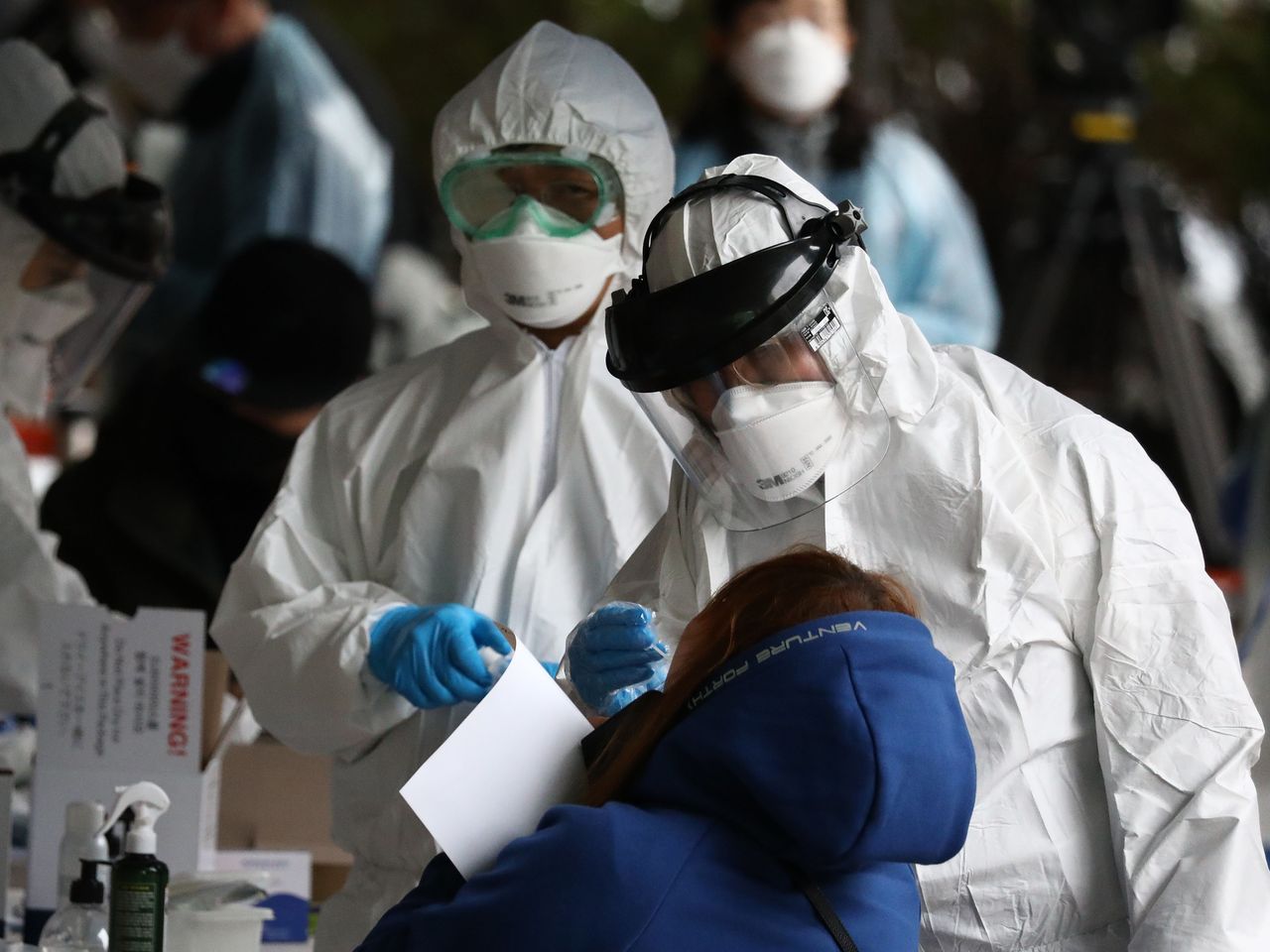
South Korea has handled the COVID-19 pandemic in a different way. It did not impose strict measures such as closing schools and shops or declaring curfews. Rather, it relied on a series of preventive measures, awareness campaigns, self-insulation, and social distancing, and telephone interviews, and extensive examinations, With isolation of non-severe infections in private facilities other than hospitals, and other moderate measures within what has become known as “Korean quarantine” (K-quarantine), which was adopted to avoid closures that paralyze economic activities and limit the freedom of the population. This policy aimed at striking a balance between economic recovery and containing the COVID-19 pandemic has demonstrated, Its success in curbing the spread of the epidemic during the year 2020. But the sharp spikes in infections recorded in 2021 posed a major challenge to this methodology. This prompted South Korea to turn to technology in search of a suitable solution.
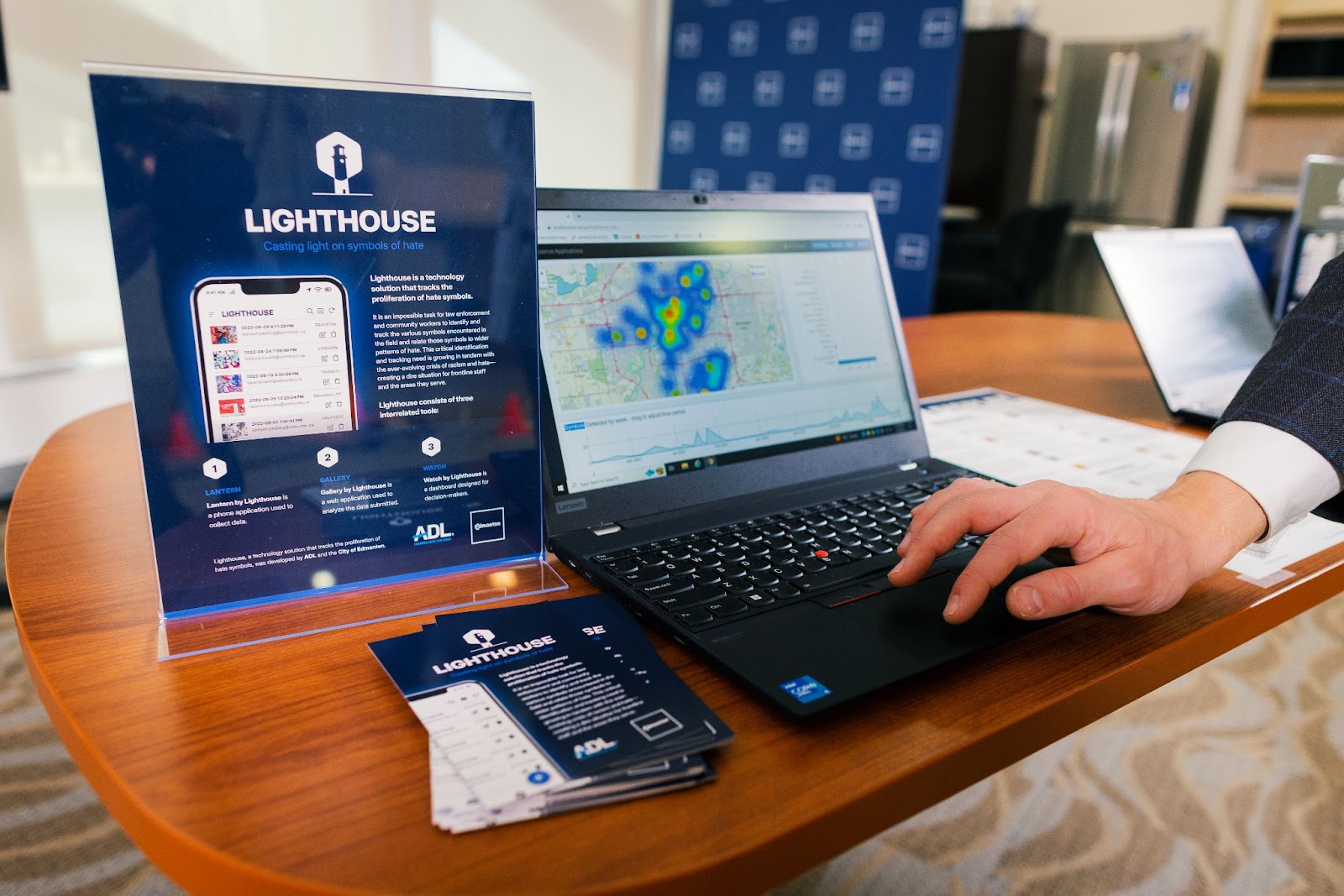
Therefore, A system called the Epidemiological Investigation System has been designed. To help officials quickly track the course of the outbreak, To take the necessary decisions in a timely manner, This is done through the rapid analysis of data received to the system from tracking devices such as mobile phones in real time. This innovation has reduced the time required for epidemiological investigation, From 24 hours to about 10 minutes, This contributed to containing the outbreak of the epidemic in its early stages.
The development of the system was used using the advanced technologies available to the South Korean government, Such as the artificial intelligence applications used in the “Smart City Data Center” platform being developed in the capital, Seoul, It basically includes mechanisms to deal with the COVID-19 pandemic. Another factor that paved the way for the development of the epidemiological investigation system is legal, Following the outbreak of Middle East Respiratory Syndrome (MERS) in Korea in 2015, legislative authorities enacted a law allowing the use of personal information in emergency situations.
The importance of this law was highlighted in 2020 when the COVID-19 pandemic began to spread. New technologies have allowed the government to replace the slow manual work of tracking injuries and obtaining information through interviews. With modern high-speed and high-precision methods of analyzing the data collected automatically from users’ mobile phones, Which requires observance of the confidentiality of information law.
However, despite the facilities provided by the new law to government agencies to use personal information, The challenge remained in terms of obtaining the consent of mobile users, Even if the authorities intend to use the information only for the purposes of tracking infections and drawing a live map of the places of the pandemic, The Korean government is legally obliged not to disclose the identity of the people involved in the program. On the other hand, The development of the epidemiological investigation system in a relatively short time was a major challenge in itself, in particular in the area of harmonization of the various relevant existing regimes, It also requires urgent and coordinated efforts between the public and private sectors.
Seven government agencies participated in the development process in cooperation with several telecommunications companies, Companies specialized in the development of information systems, a range of credit card issuers, In addition to the National Policy Authority. The public was also briefed on the progress of the project through the media to ensure transparency and attract public participation.
It is worth mentioning that several participating telecommunications and technology companies provided their services free of charge for both projects, Seoul’s smart city and epidemiological investigation system, In solidarity with the Government’s efforts, This has created a strong momentum to push for the completion of the epidemiological investigation system as soon as possible. Indeed, The system – from the planning and implementation stage through testing and evaluation – was developed within a one-month period. Today, the new system completes nearly 90% of the CDC’s epidemiological verifications. related to confirmed cases, This increased the speed of communication and information exchange between 28 government agencies concerned with combating the pandemic, At the same time, the system significantly reduced the workload.
Protecting privacy and preventing misuse of personal information was one of the most important aspects that underwent strict precautionary measures and rigorous testing during the development process. This is to reassure residents who have allowed the system to use their information that it is being used in an ethical and safe manner. Personal information was stored in a secure database supported by the latest anti-intrusion technology. The National Intelligence Authority also tested the database by conducting a mock hack to ensure the integrity of the system against hackers. In addition, The list of those authorized to access the database was limited to a small number of officials, As well as providing a non-deletable or non-editable file that preserves the details of each access to the database, To ensure responsible use of its data.
Government sources confirm the success of the epidemiological investigation system in reducing the risk of the spread of Covid-19, and maintaining public safety, Within an environment characterized by transparency in the exchange of information on developments in the outbreak of the pandemic, Community participation in relevant policy-making. South Korea also plans to provide the system to several countries that have expressed interest in adopting it.
References: