With the escalating issue of youth unemployment, the South African government recognized the need for a new perspective when designing employment programs—one that not only addresses the immediate problem but also paves the way for long-term social development and economic growth.
Unemployment is more than just a statistic; it is a complex fabric of personal struggles, missed opportunities, and untapped potential. This complexity demands multifaceted approaches. It is not just about providing jobs, but about building hope for individuals and communities.
In South Africa, youth unemployment rates reached alarming levels, further exacerbated by the COVID-19 pandemic in 2020. The challenge, therefore, extended beyond providing immediate relief to the unemployed and securing temporary or unsuitable jobs for them. It was about offering sustainable, long-term employment opportunities that align with their aspirations. The truth is, the traditionally adopted public service models in the country were insufficient to address the multifaceted nature of this crisis, necessitating a new approach that would meet both the immediate and long-term needs of the youth.
To address this, the South African government launched the Presidential Employment Stimulus Initiative in 2023, in collaboration with various government agencies, non-governmental organizations, educational institutions, and private sector partners.
With a budget of approximately 5.5 billion USD, this comprehensive initiative aims to provide 1.2 million meaningful jobs for young people across multiple sectors, contributing to South Africa’s broader prosperity.
To achieve this, the initiative tackled several challenges using innovative strategies, proactive partnerships, and sustainable practices. For instance, the team leveraged international aid and prioritized internal investments to overcome financial constraints. A part of the efforts focused on ensuring equitable access to job opportunities and addressing regional disparities.
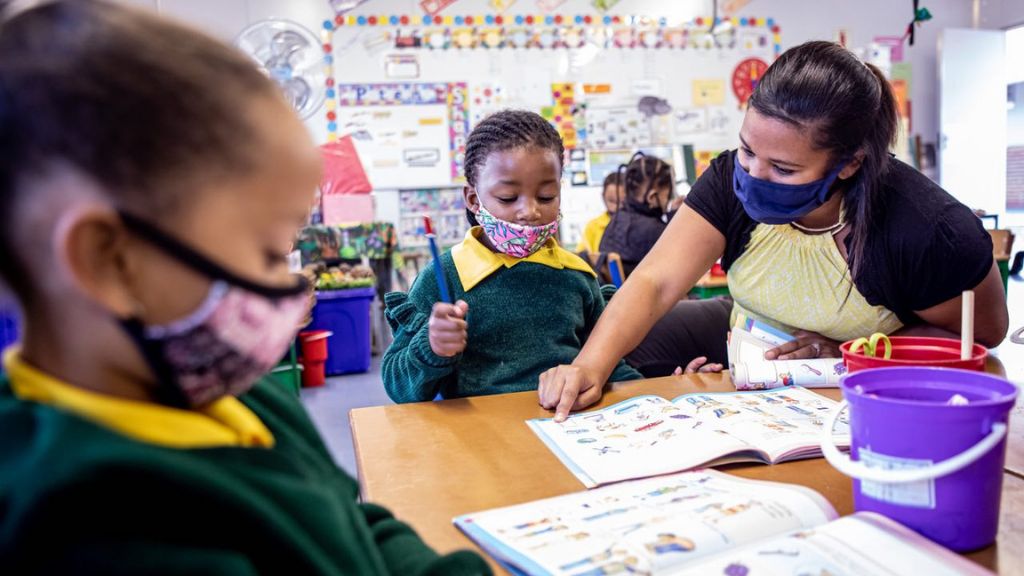
Key initiatives included employing 600,000 young people as school assistants, developing digital educational tools to equip interested individuals with relevant skills, training women as legal assistants to handle cases of gender-based violence, and launching a mobile app to help job seekers find opportunities close to them.
Additionally, the initiative introduced sustainable practices, such as giving priority to green technologies and renewable energy sources to minimize environmental impact and ensure long-term viability.
A comprehensive framework was also established to track the program’s impact on participants’ lives, the economy, and social development, facilitating continuous improvement and informed decision-making.
Participants received training in various sectors, including digital skills and industry-specific knowledge, such as gender-based violence, to enhance their employability.
However, the program faced several challenges, including ensuring that job opportunities matched participants’ skills and provided meaningful hands-on experience. Ensuring the program’s sustainability beyond the initial funding phase was another major hurdle, along with supporting participants’ transition to permanent roles in the traditional workforce. Furthermore, meticulous planning was required to develop a comprehensive monitoring and evaluation framework to assess the program’s effectiveness and identify areas for improvement.
The program also faced the challenge of effective coordination with the many stakeholders involved in its implementation. This was crucial to building productive collaborations, deepening impact, and achieving resource management efficiency, especially given the sharp disparities in unemployment rates and their causes across different regions of the country. These disparities can only be overcome by ensuring fair access to opportunities for all, without exception.
The initiative has had a positive impact on individuals and local communities. In numerical terms, it provided immediate income sources for 1.2 million young people, enabling them to build diverse professional experiences. It also supported the education system, enhanced participants’ skills in modern digital technologies, and offered unique assistance to victims of gender-based violence in its various forms.
For long-term goals, the initiative promises to transition its beneficiaries into permanent jobs, where the educational outcomes they achieved can be further strengthened and their capacity to address gender-based violence will grow.
Notably, these efforts have demonstrated the effectiveness of government employment plans in tackling widespread unemployment crises and highlighted the importance of coordination among partners and continuous monitoring and evaluation in governments’ efforts to create meaningful impact on individuals, communities, and economies.
References:
• GovInsider
• Context News
• State of the Nation