
Effective and innovative solutions that improve lives and empower marginalized communities are often marked by simplicity. These solutions require unwavering commitment, mutual trust, and strong collaboration to address challenges, adapt to setbacks, and ensure successful implementation. A notable example is the Rourkela Municipal Corporation’s project in northern India, which supports small-scale women farmers by enabling them to preserve their produce, reducing post-harvest losses that would otherwise harm their livelihoods and families.
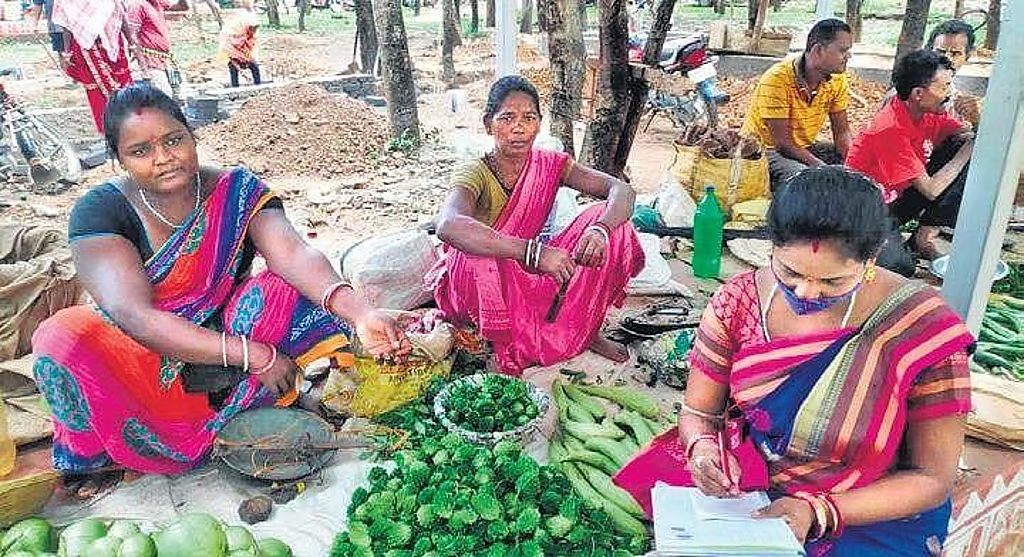
Most vegetable and fruit vendors in Rourkela and other parts of India, predominantly women, face significant challenges due to the perishable nature of their produce, particularly during the scorching summer months. High spoilage rates lead to substantial product waste or force vendors to sell their goods at cost to avoid losses. The situation is worsened by their inability to afford refrigeration units. Similarly, small-scale farmers, who often supply these vendors, face comparable issues with preserving their produce.
Anticipating the socioeconomic and environmental challenges faced by this segment of the population, the Rourkela Municipality, in partnership with ‘Smart Rourkela City,’ launched a project before the COVID-19 pandemic to provide solar-powered cold storage facilities for female vendors. With support from the United Nations Development Programme (UNDP), the first refrigeration facility became operational in mid-summer 2023, following its construction at one of the city’s major fruit and vegetable markets. Additional facilities were planned for completion at four other locations across the city.
The project, however, faced notable challenges, particularly during its initial stages. The primary hurdle was persuading female vendors and farmers to utilize the cooling facilities. Many were concerned about the fees, albeit minimal, associated with using the facilities, and they doubted the convenience of retrieving their products the following day. Overcoming this obstacle was largely due to the efforts of the city’s women’s self-help groups, composed of volunteers committed to supporting local women by offering guidance and practical solutions. These groups addressed the vendors’ and farmers’ concerns, emphasizing the benefits of the cooling facilities in preventing losses from price reductions or spoilage. This not only increased profits but also improved their livelihoods and the well-being of their families.
During the early stages of the project, female vendors and farmers encountered a significant obstacle: the COVID-19 pandemic. Movement restrictions led to a sharp decline in market sales as customers stayed home, directly jeopardizing the livelihoods of vendor families.
To mitigate this impact, authorities leveraged digital technology, equipping vendors with computers and applications to manage cold storage inventory and streamline operations. These tools allowed vendors to offset the loss of in-person customers by transitioning to online sales, thereby increasing their reach and boosting their revenue. Women’s self-help groups played a pivotal role in the initiative’s success, empowering vendors to embrace technology and adopt modern trading methods, ensuring the sustainability of their businesses despite the challenges.
What sets this project apart from many other initiatives in India is the strong commitment and active involvement of the local community and organizations, particularly women’s self-help groups. These groups played a vital role in educating, empowering, and convincing women vendors and farmers to embrace the benefits of the project.
The cooling facilities are thoughtfully designed and consist of several key components: a warehouse divided into cold storage rooms for fruits and vegetables, accessible to both farmers and vendors; a clean, solar-powered cooling system to ensure sustainable energy use; and a common sales centre to facilitate the trade of produce and other goods. Additionally, each facility is equipped with two electric-powered rickshaws to transport goods efficiently to customers, including institutions that purchase products in bulk.
Rourkela’s cooling infrastructure project has empowered approximately 700 to 800 small-scale women vendors and farmers, earning recognition from Bloomberg Philanthropies for its innovative approach to enhancing women’s incomes and supporting small businesses through technology.
By providing solar-powered cooling facilities, the project has not only boosted women’s economic empowerment but also created new market opportunities, particularly in online sales and home delivery. This has significantly reduced food waste, ensured a stable food supply, and strengthened food security in the city. Additionally, the initiative has generated employment for local women’s organizations tasked with managing and operating the cooling facilities. This project exemplifies how technology can drive transformative change, address economic disparities, and foster sustainable development.
The project’s outcomes also aligned with several of the United Nations’ Sustainable Development Goals (SDGs) for 2030. These included Goal 1: eradicating poverty by empowering marginalized groups, particularly women; Goal 2: ending hunger and achieving food security; and Goal 5: reducing gender inequality by enabling women and girls to participate more actively in the local economy.
Key lessons from the success of the Rourkela project include the vital role of collaboration between institutions and community organizations, the value of resilience in adapting to crises (such as leveraging technology during the pandemic), the importance of economic sustainability (achieved through affordable fees for cold storage use), and the impact of international recognition (as demonstrated by the Bloomberg Philanthropies Award).
References:
- https://www.newindianexpress.com/states/odisha/2021/oct/01/rourkelas-cold-storage-project-boosts-women-vegetable-vendors-2366113.html
- https://sundayguardianlive.com/news/rourkela-uses-tech-stop-waste-produce-boost-farmers-income
- https://sdglocalaction.org/30-cold-room-sites-in-rourkela-start-operations/
- https://bloombergcities.jhu.edu/mayors-challenge/2022/rourkela-india