MBRCGI Websites
|
Ibtekr.org
|
MBRCGI.gov.ae
|
UAE Innovates
|
Edge of Government
|
Pitch@Gov

Robots stand by humans in the fight against COVID-19

5 minute read
Robots are used in China to sterilize hospitals, examine patients, and deliver medical supplies to hospitals and essential goods to people in quarantine.
Share this content

Add to Favorite ♡ 0

Healthcare workers responsible for sterilizing highly-infectious areas are at risk of contracting this extremely contagious virus. Doctors and nurses are regularly exposed to COVID-19 while taking temperatures and collecting nasal swabs when examining patients. The staff responsible for sterilizing hospitals face the same danger. On another note, chemical sterilizers may also be dangerous if not handled properly. 

To mitigate risks, China is allocating these tasks to robots. In March 2020, a field hospital with an integrated team of robots was inaugurated inside Hongshan Sports Centre in Wuhan, the epicenter of the COVID-19 outbreak in China. This experimental facility, called the Smart Field Hospital, aimed at alleviating the burden of healthcare workers, even if the outbreak has slowed down in recent weeks.

Robots and other IoT-based devices provide all medical services within the facility, including temperature checks using 5G thermometers to alert the staff in case of a high fever. Moreover, patients wear IoT smart bracelets and rings from CloudMinds to monitor their vital signs, such as temperature, heart rate, and blood oxygen levels. Doctors and nurses also wear the same devices to detect any early signs of infection.

Outside field hospitals, China used robots to help medical staff perform their daily tasks during the outbreak. These tasks include sterilization, as Chinese hospitals benefited from these robots to sterilize rooms with ultraviolet light which decontaminates surfaces without exposing anyone to the risk of infection. Moreover, a healthcare worker is assigned to control the robots from a safe distance.

Some Chinese hospitals adopted mobile robots that were stationed near the entrances to examine patients and check their temperature without human intervention, thus relieving some of the health workers’ burden.

Due to the rapid spread of the virus, people are advised to reduce human interaction to a minimum. Accordingly, technology companies started deploying more robots to perform certain tasks, such as delivering medical supplies within healthcare environments. Furthermore, robots have proven to be effective in delivering essential goods for quarantined people who shop online from home. For example, Meituan Dianping is an application that offers “contactless delivery” through autonomous vehicles and robots.

Robots are also used within e-store warehouses to automate the completion and organization of orders. Alibaba’s logistics company, referred to as the Chinese Amazon, uses robots to organize warehouses and distribute medical supplies to regions that need it the most, like Wuhan, to perform examinations and treat COVID-19 cases.

In another example, the food delivery platform Ele.me has relied on robots to deliver meals for individuals quarantined at hotels in case they were suspected to have contracted COVID-19. Many of these companies have tested the robot delivery service or tried it on a small scale. However, the high demand resulting from the outbreak pushed them to expand the scope of their robotic services. Moreover, robots were also introduced to the kitchen to prepare and serve food in restaurants. 

Resources: 1 2 3 4

Subscribe to Ibtekr to stay updated on the latest government initiatives, courses, tools and innovations
Register Now
Subscribe to Ibtekr’s Newsletter
Innovators’ Mailing List
Our newsletter reaches more than 30,000 innovators from around the world! Stay up to date with innovations from across fields of practice in the public sector.
Subscription Form (en)
More from Ibtekr

The Deviation Game: A Japanese Innovation Rekindling Human Creativity in the Age of Algorithms

In a world increasingly shaped by artificial intelligence, a deceptively simple game emerging from Japan, “Deviation Game,” is making a bold statement: human creativity still holds a unique power that no machine can replicate. By nudging players to think beyond conventional cues and craft ideas that defy algorithmic imitation, the project highlights not just the current limitations of AI, but the irreplaceable essence of human expression.

 · · 8 October 2025

The New DGP: A Data Tool that Aims to Track Inequality in Real-time

Experts are gaining a direct view of the economy’s core dynamics, uncovering not only the scale of growth but also who truly benefits from it. This American initiative provides policymakers with powerful tools to track and respond to disparities in real time, introducing a groundbreaking innovation that redefines how the economic landscape is understood.

 · · 8 October 2025

Redesigning Comfort: The Navy’s Quest for Better Uniforms for Female Sailors

In the US Navy, one of the most demanding work environments in terms of precision and efficiency, the administration observed female personnel feeling restricted by the standard uniform. It embarked on an ambitious mission to redesign it using an innovative, data-driven, and inclusive approach, ensuring it met their needs and the nature of their duties while remaining a symbol of professionalism, identity, and unity.

 · · 8 October 2025

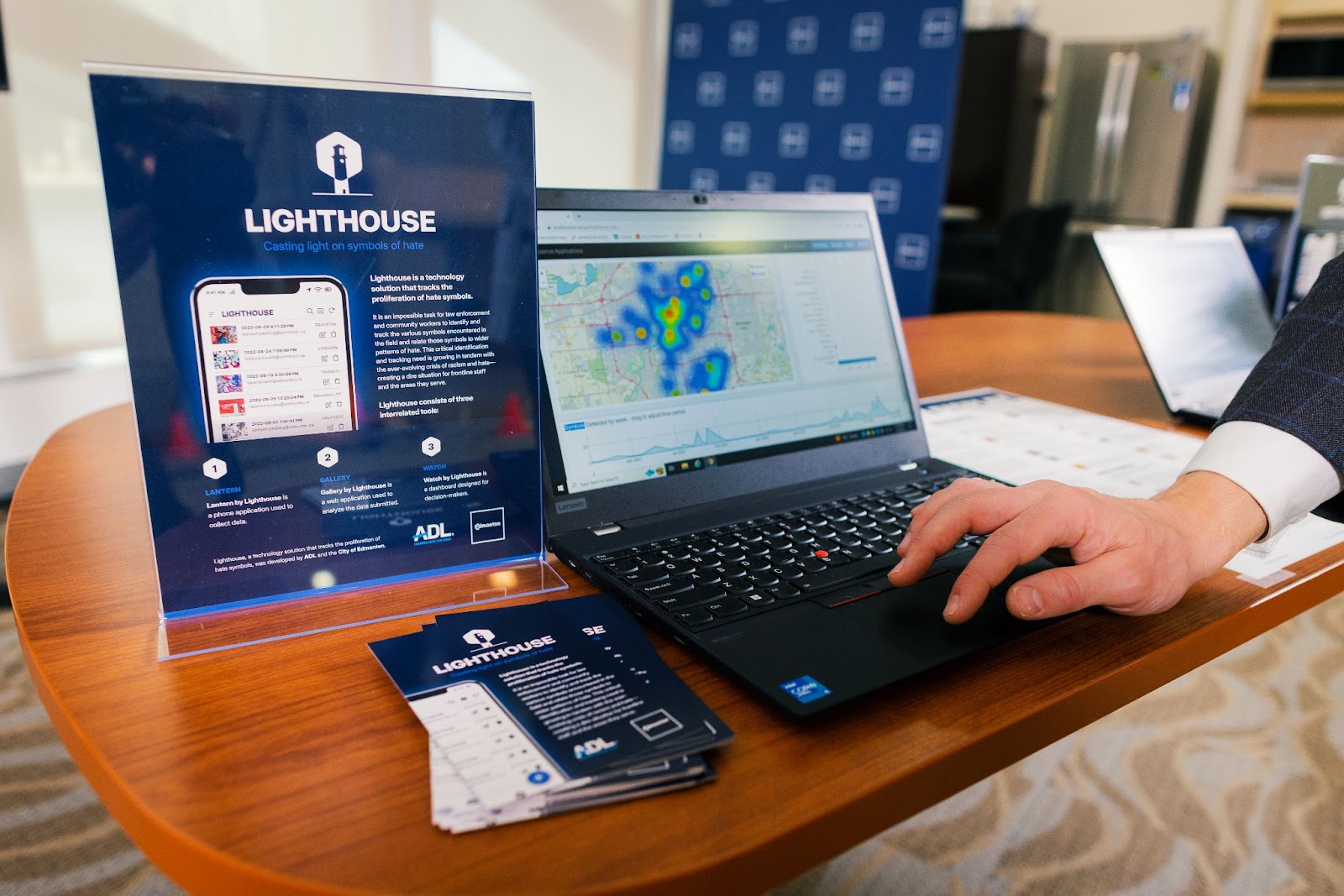
How Technology is Helping Track Graffiti to Fight Hate Crimes in Canada

In the era of artistic freedom, a creative product can either inspire peace or embody intolerance. In Canada, a nation that prides itself on its diversity, the spread of hate cannot be permitted, even within an artistic framework. Consequently, the city of Edmonton launched the "Lighthouse" initiative, harnessing the power of technology to monitor and mitigate expressions of hate.

 · · 23 September 2025

Voices of Poverty: A Narrative Approach to Human Development in India

The Indian Poverty and Human Development Monitoring Agency (PHDMA) has reimagined its data collection methods to cultivate a genuine understanding of the lives of the people behind the statistics. By gathering narratives and visual evidence, analyzing data, and unifying stakeholders, the agency is establishing a novel approach to human development.

 · · 23 September 2025
1 2 3 91
magnifiercrossmenuchevron-down