

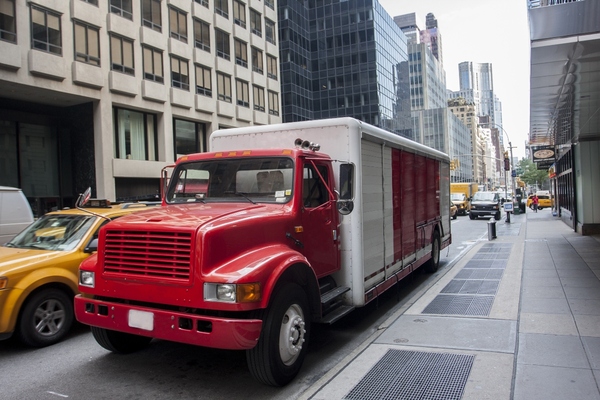
New York municipality has developed a comprehensive new plan to improve freight management. The plan includes a range of initiatives to improve the efficiency of the transport sector, enhance the safety of road users, ensure sustainability, and encourage partnerships between different entities.
The transportation of goods within cities is an integral part of overall day-to-day activities. Due to its extensive activities, this sector is often subject to errors and accidents that may result in human and financial losses. Furthermore, the transport sector is one of the largest contributors to global warming. It poses real challenges for the relevant government entities, especially in a city as big and overcrowded as New York. The city has recently developed a new comprehensive plan to involve stakeholders from the public and private sectors, as well as the city’s residents, to support a set of initiatives, policies, and actions to create innovative, effective, and sustainable solutions to advance the transport sector.
The volume of goods transported to and from New York City, the largest and most developed urban complex in the US, is estimated at 200 million tons per year. This number is expected to increase with overpopulation, the changing lifestyle, and the resulting increase in consumption, particularly through e-commerce and urgent demands, which have become an indispensable reality for the city’s population. The streets of New York are the backbone of the city’s transport sector, where about 90% of total goods are delivered in trucks. New York is facing urgent challenges, due to its old infrastructure and because it hosts some of the busiest streets in the US.
New York’s plan for the freight transport sector dates back to 2016 when the existing authorities began to consult with various partners and stakeholders to engage all groups that might be affected by the plan in the future. The Department then initiated studies and assessments of the existing challenges, future sector requirements, and opportunities to improve the performance of freight management and delivery of goods through the launch of 32 strategies and initiatives. The plan also paved the way for the adoption of policies that speed up the use of environmentally friendly and carbon-free technologies, and encourage innovations that support sustainability and flexibility in the transport and delivery of shipments.
The plan focused on what is called the “last mile” of freight services, i.e. the part related to the delivery of goods to recipients’ homes or offices. Although the plan does not eliminate trucks and their drivers in the last mile, it replaces them with smaller, more environmentally friendly delivery methods that are less burdensome to traffic, such as cargo bikes.
The plan highlighted the importance of investing in solutions that diversify good delivery methods, rather than relying on traditional diesel trucks that cause street traffic congestion. However, as various innovative solutions are constantly developed, the plan concluded that it was necessary for the short term to work towards the provision of safe and well-built sites that are easily accessible to trucks to load and unload the goods. The plan also sought to expand the implementation of the Clean Truck Program in order to include more industrial and commercial areas, as well as explore innovative financing options to adhere to the specifications of these low-carbon trucks.
In order to increase the efficiency of freight movement to and from New York and within the outskirts of the city, the plan approved the increase in the number of locations authorized to deliver cargo and goods outside official working hours from 500 to 1,500 by the end of 2021. Moreover, the plan increased the number of cargo loading zones across the city to prevent cargo transport from obstructing pedestrians and motorcycles, in addition to reducing the number of double-parked trucks next to sidewalks. Moreover, the plan provided clear signs or warning posters in commercial areas and loading or unloading spaces.
In terms of safety, the plan adopted new design standards for truck safety along 70 routes in the city to be implemented by 2025, in addition to improving and expanding initiatives aimed at educating drivers and reducing truck collisions.
The plan also aims at optimizing technology, such as developing applications to collect relevant shipping data directly and permanently, as well as establishing a smart freight lab to study, test, and evaluate shipping strategies during the last mile. The Department of Transport seeks to develop training programs and data-driven strategies to enforce laws and guidelines across the city and consider emerging technologies for automatic law enforcement.
Since the plan’s success depends heavily on close collaboration with the private sector, the plan has encouraged the involvement of transport and shipping companies through the work of the Freight Advisory Committee of the Department of Transport.
References:
https://www1.nyc.gov/html/dot/downloads/pdf/smart-truck-management-plan.pdf