

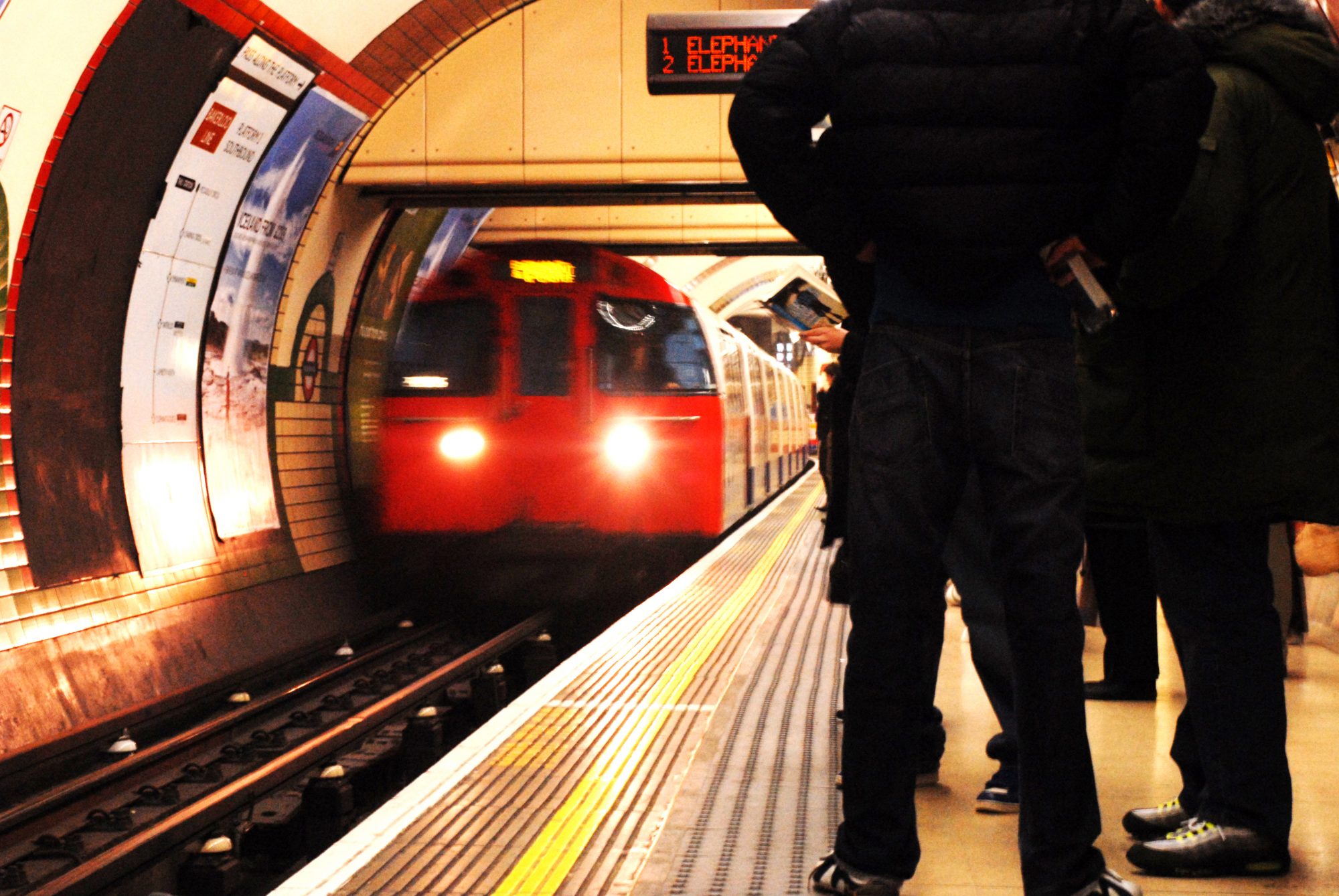
In one of the largest networks in the world, The UK government is working to approach a deep-rooted problem, It is the high temperatures within the tunnels, Until I recently came up with an innovative solution that pumps cold air with the smartest use of space and minimal maintenance requirements, It seeks to secure the necessary funding for its dissemination at the national level.
In the nineteenth century, As trains were carrying people and goods at an unprecedented speed, It was necessary to cross a new threshold to solve the problems of pollution and congestion, It was then that the Victorians decided to bury the problem in the literal sense, To establish the world’s first underground network: Underground metro.
Since 1836, Millions of trips cross the London Underground network annually, But permanent modernization efforts are sometimes hampered by factors such as obsolescence and climate change. Where average temperatures in the London Underground are increasing until they reached unbearable rates in some periods, This has raised concerns about the dangers of high heat to the health of metro users.
Tracing the history of the London Underground network, It turns out that the parts that record the highest temperatures were in the past cold, This was even a marketing advantage for underground transport projects which was a revolutionary concept at the time. Through the years, The heat affected the layers of cold clay used in the construction of the inner walls of the tunnels, It reached its maximum ability to absorb heat that is condensing underground. As the number of trains joining the network increases, Temperatures increase and the areas covered by tunnels expand, So that did not leave a place even for the installation of air conditioning units, They are most needed in light of the scarcity of air vents, This, in turn, is due to the passage of lines through some of the most densely populated areas of the city. The architectural design does not allow many options for drilling air vents. All this allowed the ambient temperature to gradually rise to 20 to 25 degrees Celsius.
Officials in the British capital have proposed dozens of solutions over the years, So 192 of the network’s trains are air-conditioned, Some lines are equipped with improved ventilation systems, Others use cooling units that pump cool air around the clock and fans that emit fresh air through the tunnel. But other problems arose from this solution, Contaminated dust and particles quickly blocked the fans and channels used in the refrigeration units, It requires double maintenance efforts, It is a laborious and dangerous process that is possible only after the plant is closed.
Because each new year sets record temperatures, Transport for London is accelerating innovation efforts towards achieving moderate heat in the underground network using minimal propellers.
At last DEWA has come up with the innovation that achieves this equation optimally – so far at least – and has started conducting experiments and finalizing it. The Ministry of Transport and the UK Innovation Authority contributed 70% of the funding for the project, which is part of the government’s ‘Living Lab’ programme, which was established in collaboration with 25 partners working side by side to develop infrastructure, research, data and other projects.
The innovation is a curved metal plate, They are installed on the roof of the tunnel to hang from it. This plate is interspersed with a set of rectangular aluminum pipes, which exudes air within the tunnel. For this air to be cold, Pipes will be laid within the tunnel structures so that cold water can pass through them, preventing the accumulation of dust and dust. Metal pipes provided an engineering solution that eliminates the need for mechanical equipment that may hinder their installation on the ceiling and make it difficult to maintain.
After the idea was born, The developers designed a virtual computer model and a compact stereoscopic, To move from there to build a full-size prototype, This is to verify the validity of the idea in practice. To install the pilot model, One of the abandoned platforms at Holborn Station has been chosen as a site that simulates the living environment of trains, It usually hosts the transport authority’s trials.
In the experimental model, The cooling plate is attached to a fan, But that was just for a cold test. In practice, The fans will be installed in a separate place to enter the air carried by special tubes to the plates.
After the end of the initial test, The expanded pilot phase will begin, Cooling units will be installed in one of the platforms of the Piccadilly line, which is preparing to gradually replace its trains, The government’s plan calls for a 23% increase in maximum service hours. This means that the frequency of trains passing at peak hours will increase from 24 to 27 trains per hour.
All these ambitions remain subject to the availability of funding that the Authority seeks to obtain. Once they can, The project will initially expand to 4 more stations on the Piccadilly line.
This solution will offer more comfortable trips for residents of the British capital, It will contribute to containing the thermal impact of the subway network and prevent its aggravation. Furthermore, It is expected to save 50% on operation and maintenance costs, and lower the temperature by 10 to 15 ° C, To solve a 120-year-old problem.
References:
https://www.wired.co.uk/article/central-line-temperature-london-weather-heatwave