

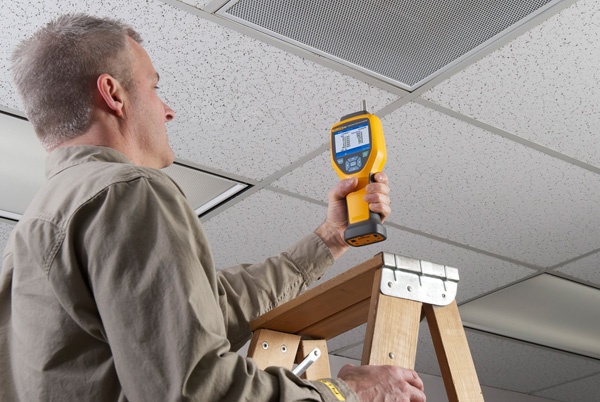
The challenge of air pollution has topped the agendas of many governments around the world. Due to what studies indicate about its direct negative impact on human health, A recent study in the UK revealed the impact of significant air pollution on deteriorating mental health. In order to address this environmental challenge, The Irish capital, Dublin, launched In partnership with Google, An innovative project to measure air quality in a way that covers all streets of the city.
In the context of efforts to address the challenge of urban air pollution and its negative effects on the environment and population, The UK has taken several steps towards reducing air pollution through research and budgeting to promote initiatives to improve air quality and launch awareness programmes. One of the most important means used in measuring the air quality of cities is the establishment of networks consisting of sensors distributed over several strategically located buildings that collect information about the levels of carbon dioxide and other harmful gases. In addition to counting the number of dust particles and other particles suspended in the atmosphere.
But cities can incur high costs to deploy sensors that cover all their neighborhoods and streets. Especially in capitals and megacities. Dublin therefore moved towards using a different innovation from the installed sensors, It used roving vehicles to roam the streets one by one to get a comprehensive picture of the city’s air quality. This came as part of its campaign to find solutions to the challenges caused by air pollution and climate change together within the Smart Dublin program. Dublin City Council collaborated with Google, which had launched a huge project to study air quality and pollutants in several cities around the world.
In practice, the project includes a plan to run private electric cars that do not cause greenhouse gas emissions and are equipped with Google cameras dedicated to scanning spaces visually. In addition to sensors installed at the front to measure the molecules of “nitrogen dioxide”, “nitrous oxide”, “carbon dioxide”, “carbon monoxide”, small particles suspended in the air and “ozone gas”, All of these elements are harmful to human health and the climate when they are present in high proportions. The electronic platform then analyzes the density level of these gases in the air. The cars were also equipped with special equipment to measure methane levels in order to determine the sources of methane emission or leakage on the streets of Dublin.
Ultimately, All this data is sent from cars to the Google cloud where it is analyzed in more detail by the team of scientists involved. The Google team is developing a detailed map that reveals the percentage of air pollution on every street in the city. These results, including in-depth data and analysis, are displayed on a special website for local and global “smart transport programs” aimed at reducing polluting emissions and planning for clean or less harmful means of transport to the environment.
In order to achieve the objective set by Dublin for the initiative, All this data and analysis will be available to decision-makers, academia, science, non-profit organisations and the population to get a clearer picture of Dublin’s air pollution levels. To encourage all parties to contribute to solutions, Especially in streets and neighborhoods with high pollution rates. Dublin City Council hopes this information will help raise awareness among city residents and change their behaviours towards a more eco-friendly lifestyle.
To ensure the correctness of the data collected, Google Cars visit each street at least twice to take measurements of air pollutants. The process, which began in May 2021, will continue for a full year. The initiative is the first of its kind to use Google cars to measure greenhouse gas emissions and air pollution in Ireland.
As stated by Dublin City Council, There has always been an urgent need to measure air pollution levels in every street and neighborhood. So that the Council can plan to effectively address this pollution. Initiatives that rely on technological innovation that ensures access to accurate data can help decision-makers make evidence-based decisions for the benefit of the city and its residents, This includes finding alternative solutions such as solar energy or undertaking afforestation campaigns to increase green spaces in certain areas of the city.
It is worth noting that Dublin City Council and its local authorities, In 2020, it joined the global campaign to adhere to air quality standards recommended by the World Health Organization (WHO) by 2030. The Air Quality Measurement Initiative in collaboration with Google is a successful step to help Dublin achieve its national and international commitments in the field of environment and public health.
References: