MBRCGI Websites
|
Ibtekr.org
|
MBRCGI.gov.ae
|
UAE Innovates
|
Edge of Government
|
Pitch@Gov

More results...

Generic selectors
Exact matches only
Search in title
Search in content
Post Type Selectors

Indian government in the face of COVID-19: Proactive efforts to harness the power of data and maps

6 minute read
Epidemiologists in India are emphasizing the need to collect data on places where comorbidities are high and to secure more resources and equipment required to provide critical care services there. Scientists propose to achieve this by developing well-thought-out plans by responsible authorities at the state, state and provincial levels.
Share this content

Today, India has a population of more than one billion and is one of the most populous countries, especially in the cities of Mumbai and Calcutta. Many parts of India suffer from extreme poverty, not to mention a lack of public health services and weak capacity of the health system in general. India’s hospitals have half a bed per thousand people. This is a very low rate and may not be as high as a fifth of what the UK, for example, offers. also Residents rely on public transport, most importantly trains and buses, to travel between Indian states for business purposes. In light of all these facts, We recognize that the spread of the disease under these circumstances will have severe and far-reaching consequences not only for India but for the whole world.

In order to avoid this spread, which could burden the Indian healthcare system, Epidemiologists propose to conduct an assessment of individuals with co-morbidities in different provinces in India. According to the World Health Organization, The individuals most at risk of chronic disease and death are those over the age of 60 who suffer from health conditions such as high blood pressure, diabetes, cardiovascular disease, chronic respiratory disease and cancer. Based on China’s experience, Patients with diseases such as hypertension, diabetes, and respiratory diseases have been shown to be at least six times more at risk and likely to die than individuals without comorbidities.

As a first step to avoid these risks, Epidemiologists in India are emphasizing the need to collect data on places where comorbidities are high and to secure more resources and equipment required to provide critical care services there. Scientists propose to achieve this by developing well-thought-out plans by responsible authorities at the state, state and provincial levels. In the event of a rise in the number of people infected with COVID-19, The Indian government will face a major challenge to rationalize resources such as intensive care beds and ventilators that hospitals need to serve intensive care patients. In order for India to successfully tackle this pandemic and save more patients, They should have a solid and proactive plan whereby they can provide these resources in case the number of intensive care patients increases.

Once the data has been collected, It is recommended that epidemiologists conduct a comprehensive analysis of this data on a county basis and develop plans to address any potential outbreak. The measures also recommend that patients with COVID-19 are not allowed to travel outside a certain range to seek treatment, especially for critical cases. The responsible authorities are keen to organize and administer the provinces in order to serve the plans developed to deal with such emergencies. Based on the National Family and Health Survey covering the period 2015 to 2016, A survey was conducted on the presence of cases with comorbidities such as hypertension and diabetes. The data in this survey was collected based on biomarker screening.

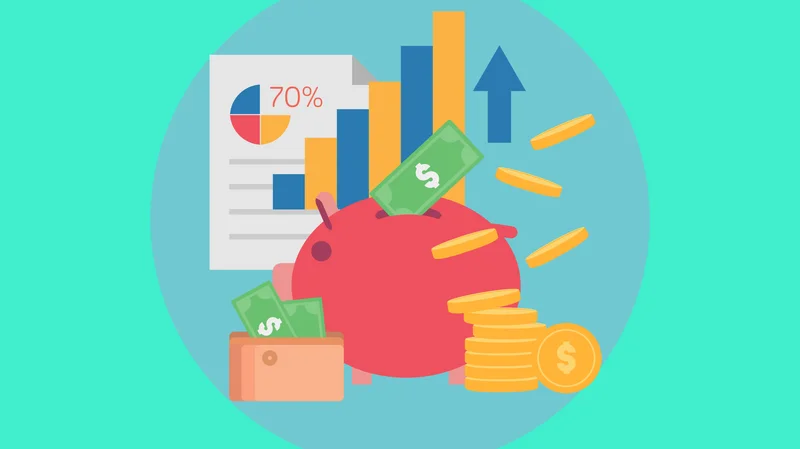
After completing the collection of huge amounts of data for each province in India, Experts have developed maps that provide comprehensive information on hypertension and diabetes patients for more than 600 districts in India. These maps can be used as a way to familiarize each state governments with the targeted approach to reducing mortality through preventive action.

Sources: 1 2

Subscribe to Ibtekr to stay updated on the latest government initiatives, courses, tools and innovations
Register Now
Subscribe to Ibtekr’s Newsletter
Innovators’ Mailing List
Our newsletter reaches more than 30,000 innovators from around the world! Stay up to date with innovations from across fields of practice in the public sector.
Subscription Form (en)
More from Ibtekr

The Deviation Game: A Japanese Innovation Rekindling Human Creativity in the Age of Algorithms

In a world increasingly shaped by artificial intelligence, a deceptively simple game emerging from Japan, “Deviation Game,” is making a bold statement: human creativity still holds a unique power that no machine can replicate. By nudging players to think beyond conventional cues and craft ideas that defy algorithmic imitation, the project highlights not just the current limitations of AI, but the irreplaceable essence of human expression.

 · · 19 January 2026

The New DGP: A Data Tool that Aims to Track Inequality in Real-time

Experts are gaining a direct view of the economy’s core dynamics, uncovering not only the scale of growth but also who truly benefits from it. This American initiative provides policymakers with powerful tools to track and respond to disparities in real time, introducing a groundbreaking innovation that redefines how the economic landscape is understood.

 · · 19 January 2026

Redesigning Comfort: The Navy’s Quest for Better Uniforms for Female Sailors

In the US Navy, one of the most demanding work environments in terms of precision and efficiency, the administration observed female personnel feeling restricted by the standard uniform. It embarked on an ambitious mission to redesign it using an innovative, data-driven, and inclusive approach, ensuring it met their needs and the nature of their duties while remaining a symbol of professionalism, identity, and unity.

 · · 19 January 2026

How Technology is Helping Track Graffiti to Fight Hate Crimes in Canada

In the era of artistic freedom, a creative product can either inspire peace or embody intolerance. In Canada, a nation that prides itself on its diversity, the spread of hate cannot be permitted, even within an artistic framework. Consequently, the city of Edmonton launched the "Lighthouse" initiative, harnessing the power of technology to monitor and mitigate expressions of hate.

 · · 2 January 2026

Voices of Poverty: A Narrative Approach to Human Development in India

The Indian Poverty and Human Development Monitoring Agency (PHDMA) has reimagined its data collection methods to cultivate a genuine understanding of the lives of the people behind the statistics. By gathering narratives and visual evidence, analyzing data, and unifying stakeholders, the agency is establishing a novel approach to human development.

 · · 2 January 2026
1 2 3 91
crossmenuchevron-down
This site is registered on wpml.org as a development site. Switch to a production site key to remove this banner.