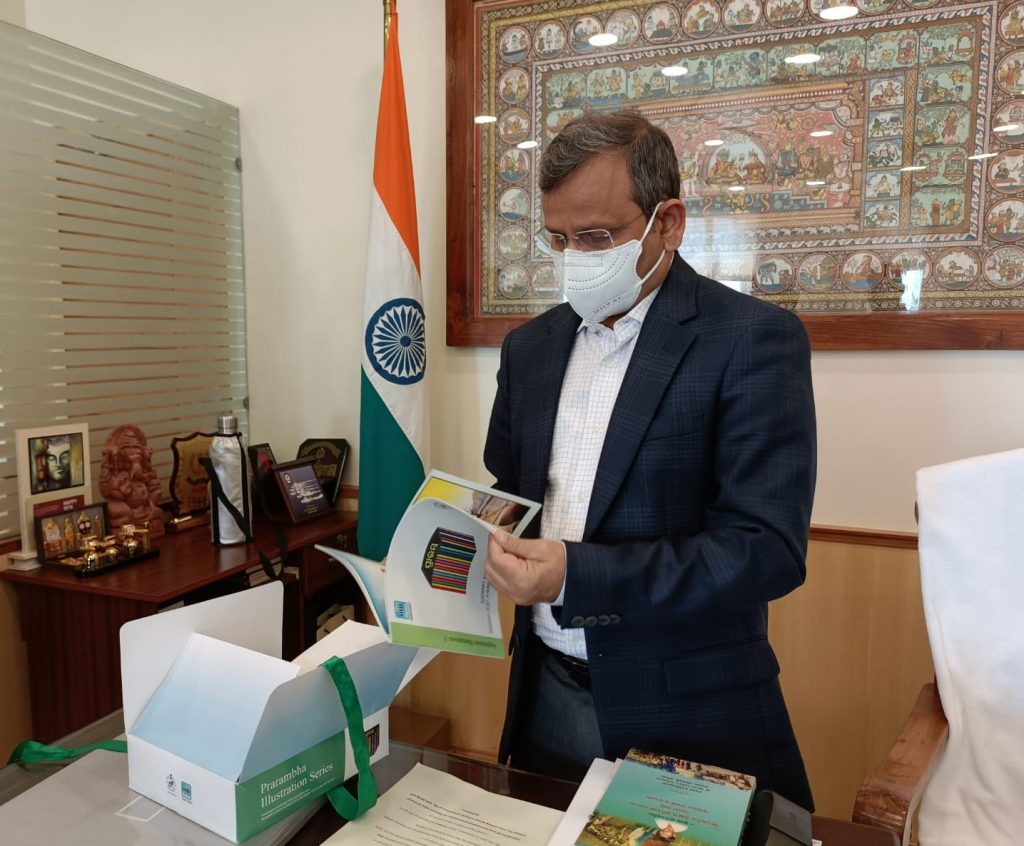

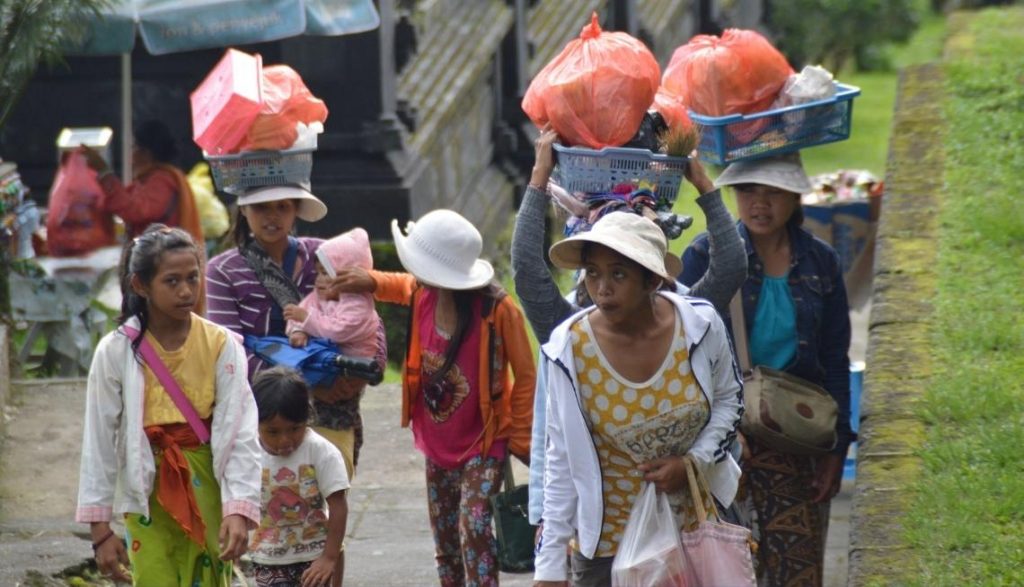
To make the most of the Internet, The Indonesian government is working to bring the Internet to rural communities, And educate their children on how to use them, And launching initiatives to invest in developing their businesses and improving their quality of life.
With the increasing number of employees annually and their dependence on it in many of their daily matters such as work, study and access to public services, Internet connectivity has become one of the basic needs of human beings, Even having someone who is not connected to her is strange. But this is surprising, though in fact, a reality that involves entire societies. Especially in some Asian countries.
In Indonesia, Not everyone has access to the Internet, The state lacks infrastructure and suffers from limited wired and wireless options. Statistics for 2019 indicated that there are more than 12,000 villages that lack 4G internet. And 94 million Indonesian adults are unable to use the Internet, Also, more people lack fixed broadband Internet service, 60 to 70% of the population in the east of the country suffer from fluctuations in the quality of service. The most important indicator is that 80% of these live in rural areas that are not accessible by metro. Most rely on satellites with limited data processing capacity.
To change this landscape, The Ministry of Communications and Informatics seeks to provide equitable communication throughout Indonesia, A mission entrusted to the agency responsible for communications and access to information, “Pakti”, It is an Indonesian word meaning “devotion”.
The Agency stresses the importance of the principle of justice in its mission. Where the figures indicate that holders of higher degrees outperform those with the lowest educational achievement in accessing the Internet, They have a five times more chance. The same principle applies to children of financially stable families, Three times more people benefit from telecommunications services than children from low-income families.
First thing The agency seeks to provide fourth-generation internet to all Indonesian villages within two years by building new transmitting and receiving stations in 4,200 villages and modernizing existing stations in 1,209 villages. This is done with the help of other government agencies and the two private sector companies that operate mobile services. Then The exploration phase of higher-quality digital services will begin, Providing free access to social services sites such as schools, health facilities and others.
Whereas, the Indonesian ISP Association reported a 14.6% increase in users, The Indonesian government plans to launch a satellite to provide high-speed internet access to the farthest point of the country. Having put the fifth generation Internet on its agenda, It has updated the Telecommunications and Radio Frequency Act in preparation for the regulatory needs that this shift will need.
The new satellite will provide 150,000 public access points, It will enable Indonesia to cover more than 500,000 other access points across the country.
The reality of Internet connectivity in Indonesia is currently translating into a sharp division between the groups of society and deepening social and economic disparities in the country. Where opportunities are for the pioneers of the global network and keep pace with everything new, Not those most in need of economic opportunities.
The COVID-19 pandemic has exposed, With the tourism, leisure and business sectors stagnating and the growing need for the Internet as a means of communication, marketing, education and health support.
For this reason, the Agency has focused on achieving equity in access to economic opportunities, It created an e-commerce platform to help village business owners promote their products and crops in wider markets. Because these innovations can be complex for some, The agency has organized training programs for them to use the platform and market their products online.
In the same vein, The government has launched a stimulus program to help thousands of small businesses transition to digitization. These companies represent 60% of the Indonesian economy and employ 97% of local employment.
As for the revival of the tourism sector, The government has introduced distinctive tourist activities such as staying in rural houses, Platforms have been launched encouraging tourists to visit lesser-known areas of Indonesia. Foreign language training was provided to help villagers play the role of tour guide or hosts.
Despite the benefits of e-marketing, Logistics remains a major challenge facing the rural producer due to its locations and the nature of its terrain, To the extent that the delivery of the commodity is sometimes more expensive than the commodity itself. Bakti is trying to overcome this challenge and search for suitable ways to deliver goods at a reasonable cost. By connecting each platform to a specific delivery range, Each has one island, for example. With the gradual improvement of Indonesia’s infrastructure, The agency will explore the possibility of placing these village products on national e-commerce websites.
On the other hand, For many rural people, digital illiteracy raises government concerns about the abuse of the internet to access negative, useless or even immoral content. Therefore, The Agency conducts educational sessions for influential people in rural areas, such as teachers and religious leaders, to share awareness efforts within their communities, The technical team also created digital content and educational clips that simplify for villagers the best ways to make use of the Internet. In 2021, he launched a program to teach students and teachers how to use digital learning platforms.
Within a short period of time, The e-commerce platform was able to increase the monthly income of small business owners to nearly 3000 US dollars, That’s 6 times higher than it was. And 10 times more than Indonesia’s minimum wage. As for the educational training program, He has emerged from what the agency called “local heroes” who are able to pass on their knowledge to others.
Overall, These projects will bring many developmental benefits, such as stimulating new investments, creating jobs and enhancing the potential of rural people.
References:
- https://blogs.worldbank.org/eastasiapacific/how-bridge-gap-indonesias-inequality-internet-access
- https://govinsider.asia/agile/how-indonesia-is-improving-economic-inclusion-for-rural-communities-bakti-danny-januar-ismawan/
- https://govinsider.asia/transformation/exclusive-inside-indonesias-vision-for-an-inclusive-digital-recovery-johnny-plate-kominfo/