

Because it aspires to transform the transport sector into an environmentally friendly system, China is working to electrify 40% of its onshore fleet. To achieve this, Approved support policies for producers and consumers, Today, charging stations are established in the rest of the country, It seeks to promote equality between urban and rural areas in keeping pace with this revolutionary transformation.
The development and economic growth of countries is linked to the well-being and possession of amenities by their citizens. In developed countries, This means that every citizen has access to decent work, comfortable housing, the highest standards of health care and the highest quality services. He should also have freedom of movement in his own car.
In China, One of the world’s strongest and fastest growing economies, This trend has translated into nearly 300 million cars that roam the country’s roads every day. While this is a better transportation experience for citizens and a country with the largest car market in the world, It involves many problems, Most notably, air pollution has reached alarming levels, Especially in city centers, As well as noise pollution. Both affect the health of people and the planet. Given the devastating effects of greenhouse gas emissions, Especially with regard to climate change issues.
Because the Chinese government has pledged a range of measures to achieve carbon neutrality by 2060, They can by no means continue to be over-dependent on fossil fuels.
As many countries, The Chinese government has decided to replace traditional cars with electric ones. But it wasn’t that simple. Electric vehicles are much more expensive. This prompted the government to provide subsidies and generous loans to enable its citizens to buy them. however Even this solution was not useful, Due to the high number of buyers and spreads.
On the other hand, The element of efficiency must be taken into account, While the driver of a conventional car can refuel in 5 minutes, The driver of the electric vehicle needs to wait a full night to charge the battery.
In front of a scene that looks more like a dilemma, Policymakers in China have tried a different way of thinking. Instead of focusing on consumers, Why don’t they try collaborating with producers as well?
Right this way The plan to gradually remove subsidies and replace them with a new law has begun requiring car manufacturers to allocate a fixed percentage of their sales to electric vehicles.
During the year, The company earns a set of points whenever it produces an electric vehicle, These points vary according to a complex set of criteria, Such as the range of speeds, distances you can travel, energy efficiency, performance, and others. In the event that the Company fails to collect the minimum points required of it, It could face financial penalties.
The government also called on these companies to support the local production and use of batteries produced by Chinese companies on the white list. This is in exchange for government support.
Because China’s long-term goal is for electric vehicles to account for 40% of total car sales by 2030, The requirements and standards will become stricter and more complex every year.
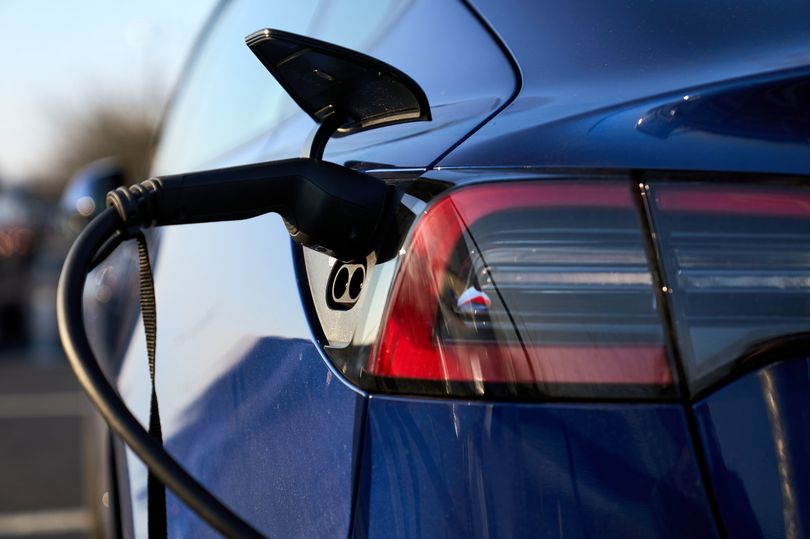
Of course This shift requires major changes in infrastructure, China’s goal means there will be 20 million electric vehicles in the country within two years. It must have charging stations. This is what the Electric Car Charging Alliance is working on, His workshops are building hundreds of thousands of charging stations day and night across the country. Over the past ten years, more than 1.7 million stations have been established. After their number was less than 30,000, In addition, 2.6 million home chargers were installed last year alone. It is worth noting that 40% of them are fast chargers that can fill the vehicle’s battery in just 20 minutes.
This approach took into account inclusiveness, So the government imposed a unified socket in all stations, Drivers can charge their vehicles at any station without a card or subscription. The mechanism allows payment through electronic applications.
At a certain point, These efforts overlap with the government’s rural recovery project, The National Development and Reform Commission wanted to establish the largest network of charging stations in the world. But gradually to be able to absorb the hoped-for growth of electric vehicles, This also requires that these stations be set up in the various provinces and villages, Not to be concentrated in the capital and overcrowded coastal areas. For example Modern urban projects must take this development into account and provide charging stations and private parking in each residential complex being built. The plan also requires highway service stations to be equipped with rapid charging equipment. Especially in areas with high pollution levels, 10% of the parking lots in the new public buildings will be allocated for freight.
To exploit the nature of Chinese society and the desire of the young group to own environmentally friendly cars, Local governments in different provinces and cities provide many facilities, Such as reducing the cost of driving licenses or license plates and excluding electric vehicles from the traffic restriction measures that China has been taking for years to combat pollution. The market also offers a variety of options according to consumers’ preferences, needs and lifestyles. From ultra-small to ultra-luxury.
These measures seem to be bearing fruit, Figures from the China Automobile Association show that citizens have bought about 3 million electric or hybrid cars. This means 15% of the overall automotive market. This figure is expected to reach 77% by 2040.
The proliferation of charging stations has also generated reassurance among citizens and increased their confidence in the suitability of these vehicles for permanent use. After China was only the largest producer of batteries, Today she manufactures the vehicles themselves and exports them to the world.
References:
https://people.climate.columbia.edu/projects/view/732
https://www.wired.com/story/china-ev-infrastructure-charging/
https://www.igi-global.com/article/standardization-in-china/176445
https://www.protocol.com/bulletins/china-infrastructure-plan-ev