
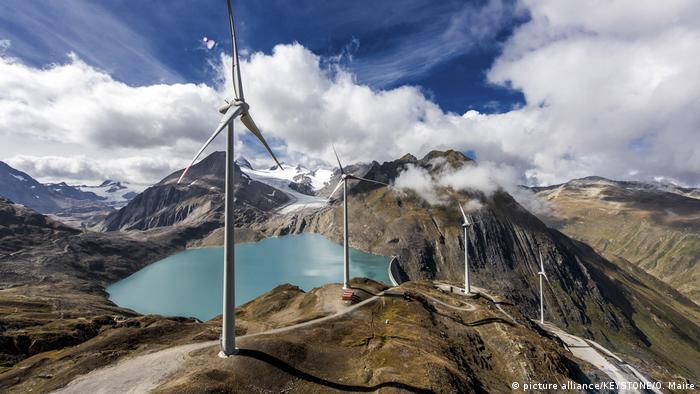
To achieve climate goals in Austria, The authorities have devised ways to involve citizens in the crowdfunding of clean energy projects, They can buy shares, receive financial interest and support initiatives that serve their communities.
The concept of transition to green energy refers to the transformation of the world from fossil fuel-based systems to produce and consume energy to renewable energy sources such as wind, solar and water. It is a process that requires the participation of governments, investors and citizens alike.
Many challenges may face endeavours of this kind, First, the establishment of large-scale renewable energy projects requires significant funding. In addition to the absence of effective mechanisms to launch these projects locally. In crowded places such as capitals and major cities, Many live in apartments that lack independent roofs, That is, they cannot install their own solar energy systems.
Vienna-owned company Finn has begun devising strategies to promote grassroots financing for projects. Many of them have been implemented during the last decade and have installed turbine engines and solar panels on the roofs of large buildings such as shopping centers and industrial areas. Generating enough energy required resorting to non-residential buildings, Each 100 square meters produces 0.7 kilowatts of energy at peak hours.
The city also launched “Citizens’ Solar Power Stations”, To help those who want to own a solar energy system and lack the necessary means, Solar panels were offered at a price of 475 euros per panel, Each citizen can buy 10 boards or shares in the project at a cost ranging from 250 to 950 euros per share or plate. These panels are leased to FIN, which is responsible for process management, equipment maintenance and power distribution. Once the shelf life of the panels ends, The company buys it again with the amount of the initial investment. As for the interest of shares, Citizens receive them in the form of value-specific vouchers to use in grocery stores or pay electricity bills. As in the last project completed on the roof of a drinking water tank, It included 6,400 solar panels producing more than 2 GW per year.
Whereas, the City of Dorn Bern aims to triple sustainable energy production by 2030, It has announced a similar project to install solar panels on the roofs of 7 municipal buildings, Among them are schools, kindergartens and fire stations, It offered 499 low-cost shares of its shares for public investment.
In general, The capital adopts the participatory approach as a well-established tool in government innovation, This is essential because it is home to a third of Austria’s population. and its cultural and economic center, It supports its plan to be a green energy hub as well. The Vienna authorities aim to meet half of their energy consumption from renewable sources by 2050. And approaching complete carbon neutrality in the field of heating and cooling. To achieve these aspirations, It focuses on sustainable urban planning, geothermal engineering, the use of modern technologies and the launch of collective projects.
Many approaches have been put forward in the world of collective renewable energy projects, Two notable solutions have emerged. The first is energy cooperatives, It is a community-based organization that provides citizens with the opportunity to invest in locally produced renewable energy and its services. Its members are often investors who share ownership and returns of the cooperative and discuss to make its most important decisions. Especially those related to the allocation of profits and the development of future plans.
The second solution, It is crowdfunding platforms, It is an innovative way to finance SMEs through an online portal that offers a wide range of financial participation options including donating, lending or buying shares (i.e. community shares). What distinguishes this option is that it allows renewable energy developers to raise funds from a large number of investors. For example, in the case of lending or community participation, The project comes out with financial returns, But it is not for investors, Rather, they are directed to the benefit of society as a whole. Lending is the most common way to finance energy projects in the EU. It often benefits small and medium-sized energy companies. Unlike the first type, These mechanisms do not allow lending citizens to co-own projects, This means that they are not real partners in decision-making.
today 28 solar power plants operate in Vienna, It produces 20.5 MW of energy, More than 10,000 citizens have contributed nearly €40 million in support of initiatives that supply around 8,400 homes with electricity and save 12,000 tonnes of emissions annually. Through this experience, the authorities have been able to raise rapid funding, Citizens guaranteed an annual income.
As for the Dorn Bern City Project, All of his shares were sold out in just 10 days. These seven solar systems will be added to the city’s 23 other municipal systems. Together, these systems can generate enough electricity to feed 260 homes and save 265 tons of carbon dioxide per year. The authorities see it as an opportunity for citizens to be part of environmental issues.
In depth, Opening up investments in the green energy transition by the authorities would attract significant funding. In addition to promoting decentralization and democracy in one of the most vital sectors, And inspire citizens to participate in solving one of the most pressing challenges facing humanity.
References:
https://www.sciencedirect.com/science/article/pii/S2214629622000585