

In the heart of Ontario, where innovation meets compassion, a groundbreaking initiative is shaping the future by empowering young minds. The Innovation Lab in the smart city of Waterloo is fostering problem-solving skills through project-based learning and tackling real-world challenges.
Every innovation begins as a humble seed of an idea, waiting for the right conditions to take root. Nurturing these innovations, regardless of their size or the age of their creators, is not about forcing growth but about creating an ecosystem where ideas can expand and flourish at their own pace.
Rather than imposing a one-size-fits-all framework for nurturing ideas, solutions must be tailored to the specific context. Waterloo, a city in the Canadian province of Ontario, needed to inspire creativity and critical thinking among its youth, preparing them for a rapidly evolving world. While many innovation initiatives had lofty goals, few successfully translated them into a way of life, particularly for those who were marginalized or excluded.
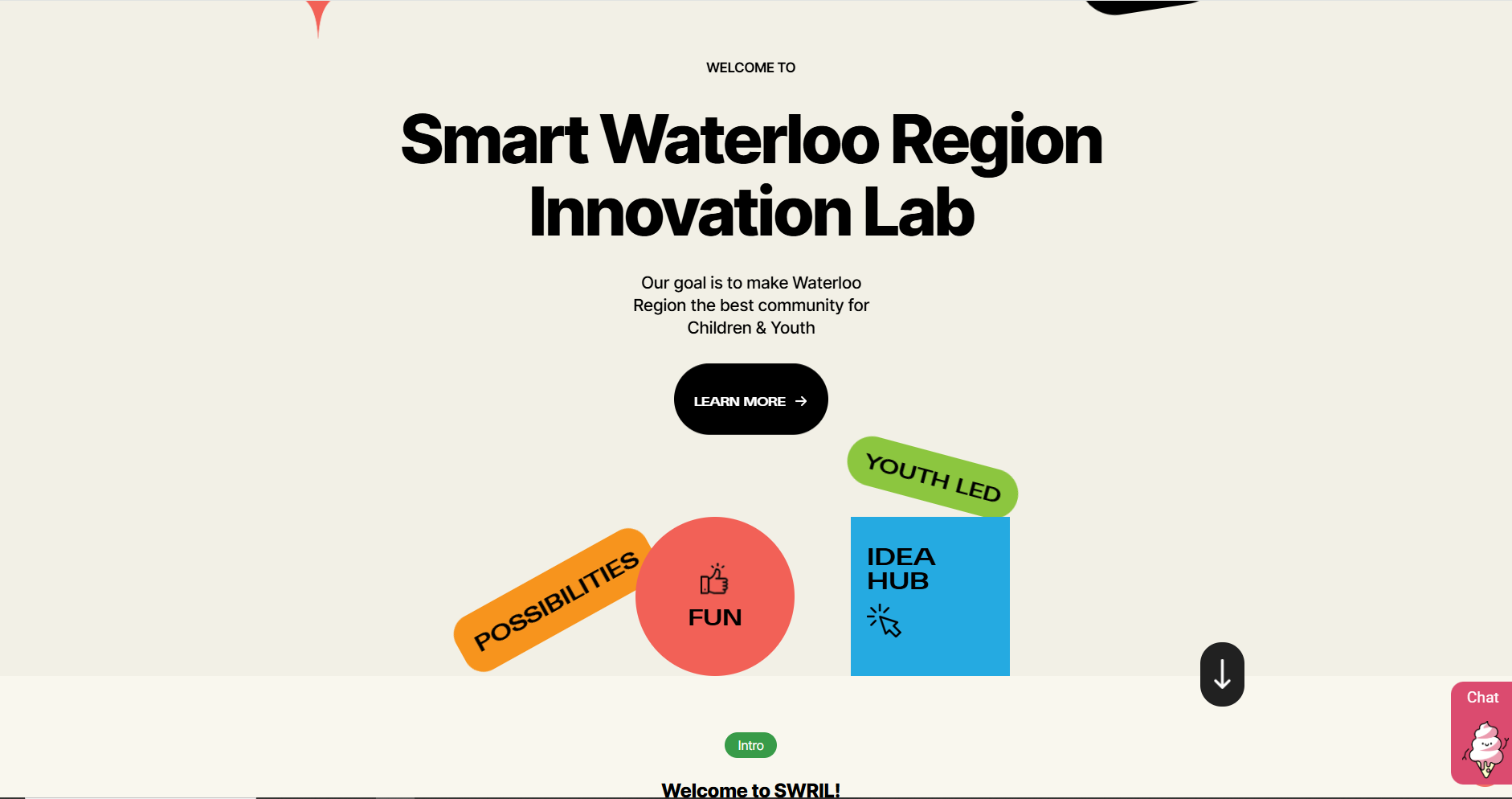
The Smart Waterloo Region Innovation Lab (SWIRL) developed an ambitious vision: a community where every young person feels a spark of innovation, curiosity, and problem-solving. The lab’s team found a practical approach to stimulating creativity through project-based learning. The team didn’t want their work to be purely theoretical; they wanted to apply their knowledge to real-world problems. They created an enabling environment for Canadian youth, actively seeking them out and engaging them in creativity marathons, design thinking bootcamps, and coding clubs.
One such project, the Food Forest Initiative, aimed to nourish Canadian students sustainably by establishing food forests in schools. Students could plant seeds, learn about ecosystems, and connect with nature. These forests were more than just gardens; they were miniature ecosystems that regenerated the surrounding environment by attracting pollinators, promoting biodiversity, and using plants to improve soil health.
The team at Smart Waterloo Region Innovation Lab emphasized collaboration in all their activities. Young participants were encouraged to work together on every idea and solution, striving for comprehensive and impactful outcomes. To increase reach, they launched ” SWIRLIE,” a friendly AI chatbot that could converse in 27 languages. Unlike previous chatbots that relied on keywords, SWIRLIE processed natural language, enabling more natural conversations and providing users with information from hundreds of websites.
The platform attracted 10,000 young participants from across Waterloo, who actively contributed their ideas and creativity. Guided by older mentors, these young people shared their experiences, failures, and successes.
The “Preparing for the Future” project was built on three core values: preparing youth workers to create environments that allowed for failure, providing mentorship and funding to help young people turn their ideas into reality, and fostering continuous growth through skills like confidence, communication, and resilience.
The Innovation Lab team recognized the challenge of creating meaningful innovations, not just intellectually stimulating ones. To address this, they made empathy a cornerstone of their projects, ensuring that initiatives went beyond their stated goals to strengthen connections between young people and their communities.
The impacts of the Innovation Lab have been far-reaching. The Food Forest Initiative provided young people with access to healthy, local food and equipped them with skills in gardening, nutrition, and collaboration. SWIRLIE addressed the challenge of finding local programs and services using advanced technology, eliminating the need for manual updates and ensuring users had access to the latest information.
The social innovation approach has inspired young people to think critically, find solutions for their communities, and become agents of positive change. It has fostered a culture of problem-solving and prepared young people to be active contributors to a better future.
References: