
The Austrian government seeks, As part of its plans to enable economic recovery, To introduce major reforms focused on transportation, digital transformation, and the adoption of innovation to stimulate green technology within a large-scale plan to change the new post-pandemic reality.
The COVID-19 pandemic has forced governments to make drastic changes in people’s lifestyles and governance. The European Union has provided nearly 724 billion euros in grant form aimed at pulling European economies out of recession. But receiving these grants is conditional on countries presenting their plans to enable recovery.
In Austria, The pandemic has exposed vulnerabilities and made them more visible. For example, Children of low-income families were deprived of the benefits of online learning. In some cases, These families lacked adequate heating despite government subsidies. the loss of livelihoods for many and the widening gender gap in the labour market, With the onset of the pandemic, Women in the private sector were paid about 19% less than men, according to the Austrian Statistical Office.
The Austrian government has distributed its plan into several sectors, Its share rose from 3.5 billion to 4.5 billion euros. It also decided to exceed the minimum set by the European Commission for the two main axes, The percentage allocated to green transformation was raised to 59% and the percentage of digital transformation to 53%. The measures will be implemented through 27 reform processes and 32 investments. The first 6 investments were allocated budgets ranging from €280 to €900 million.
And because the Covid-19 crisis has confirmed the need for effective digital communication to activate a competitive economy and social participation, The government has directed the largest investment of €900 million into digitization. In order to provide high-capacity access networks for all, In particular, the education sector alone received about 177 million euros.
In the transport sector, The government has drawn up a plan covering various forms of transport with a budget of approximately 850 million euros. It will focus on the railway system, Intending to divert freight forwardings to trains, The plan also aims to expand the system, develop its night services and improve its quality in remote areas. Then Research investments will be launched to enable the use of green fuels such as hydrogen in the transport of heavy goods. The authorities have also taken a series of steps to bring Austria’s aviation sector to net zero emissions by 2040. For newly registered trucks, According to the plan, this goal should be achieved in 2035. As for private cars, They will not be allowed to emit emissions beyond 2030. The government, which is committed to sustainable initiatives, has already launched the “Clima Ticket 2021” project. which allows citizens to use all public transport throughout Austria for 1095 euros per year, The number of subscribers exceeded 140,000.
To address the energy deficit, The government has allocated 210 million euros, It supported renovation projects by social housing developers and energy service providers with a view to reducing costs.
Turning to business, Austrian companies have received more than €600 million that will be employed to ensure competitiveness, digitalization and a green economy. The government also seeks to simplify formal procedures for companies, It allocated 160 million euros for the digitization of public administration, With a view to implementing the “one-time” principle established by the European Union, This ensures that companies need to provide authorities with their standard information only once. To reduce carbon emissions, The authorities announced a tax of 30 euros per ton of carbon starting in 2022, It will gradually rise to €55 by 2025. So, More than two-thirds of startups pursue environmental goals and focus on sustainable business models.
The government has also allocated a budget of €350 million for initiatives related to biodiversity and the circular economy. Reducing the annual production of plastic waste, which is estimated at 0.92 tons, In addition to focusing on increasing the proportion of recycled waste, which currently stands at 28%. In the same vein, The experiment of extending the life of electrical appliances and offering rewards to consumers who choose to repair appliances instead of replacing them was launched in Vienna. It is an initiative that will be rolled out across the country.
The Government has also turned its attention to continuing education and training. It has allocated €277 million to launch programmes that help women transition to non-traditional technical and scientific jobs. The entire plan was based on the Research, Technology and Innovation Strategy, which sets comprehensive goals for 10 years with a focus on quantum science, Austria seeks to establish a global position in the field of future technology by relying on its research teams, For this, 212 million euros have been allocated, including the establishment of a precision medicine centre.
In addition The government has put in place measures to reform the pension and health care sector and support communities, art and culture, It will invest €125 million in primary care centres to increase the quality of services, develop preventive care and community nursing, and provide family-friendly conditions, especially for female doctors.
Some new procedures may require changes, For example, the principle of “one-time” requires the removal of restrictions on current commercial law. This is a challenge that the Austrian government is working to meet by establishing a new legal form.
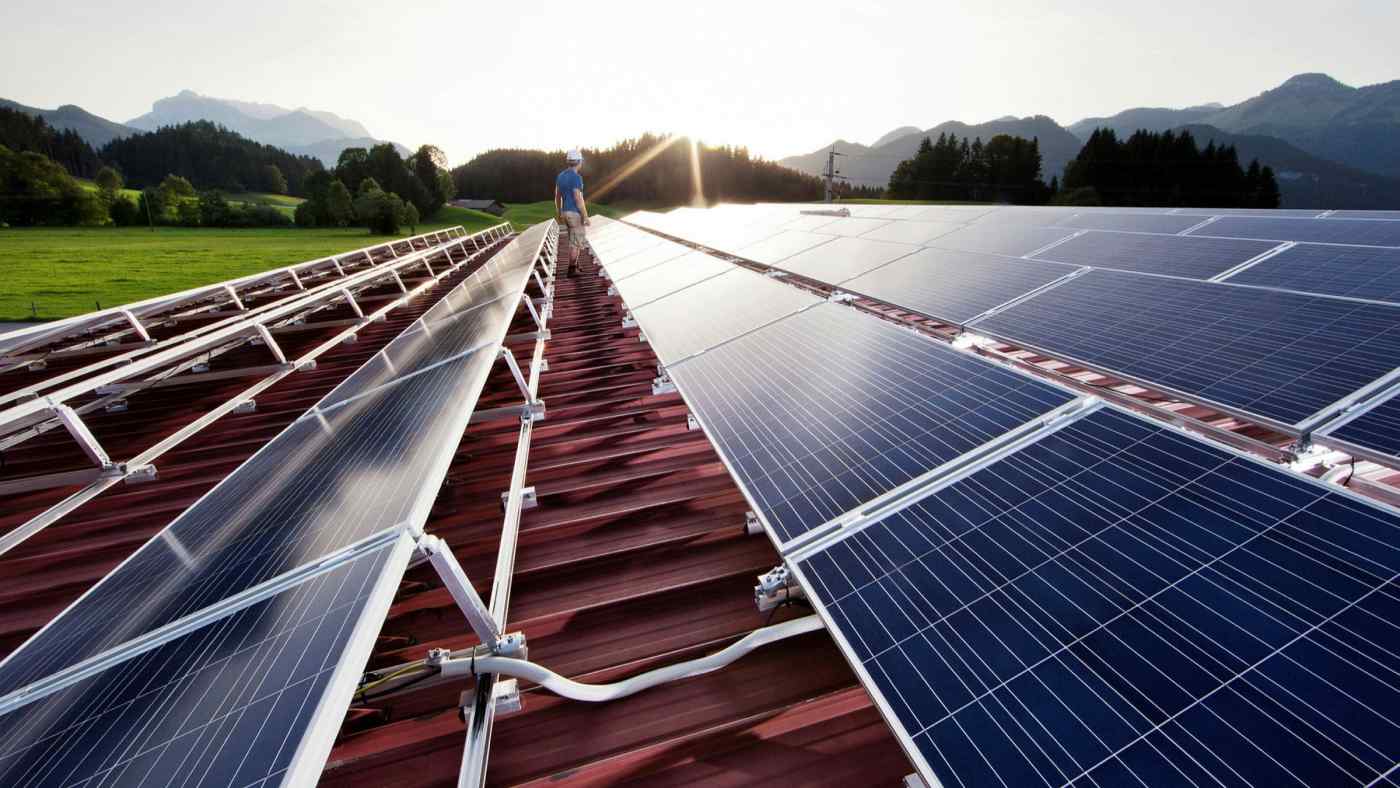
The hoped-for effects of the Austrian plan are as diverse as its fields, The government hopes that the development of the transport system will contribute to reducing greenhouse gases, noise and environmental impact, And increase the demand of citizens and tourists for public transportation. The plan also aims to achieve equity in learning and employment opportunities and expand the green technology sector to achieve carbon neutrality by 2040.
References:
https://www.ft.com/content/b860188c-9544-4313-91fc-4f30a9f01bd9