


Invasive alien plant species (IAPS) are one of the biggest challenges in European ecosystems, as they displace local vegetation and destroy agricultural land, as is the case in many regions around the world. IAPS are known for affecting biodiversity since they spread at the expense of local vegetation. Moreover, they also alter the ecosystem and exacerbate other unavoidable challenges, such as floods, erosion, and climate change. As for humans and animals, IAPS are considered disease carriers and a source of poisoning and allergy. The impact of this challenge is not only limited to the agricultural and social sectors, as it also affects the European economy that incurs billions of euros annually due to this issue.
Slovenia joins the list of countries facing this environmental challenge. Field research indicates that Japanese Knotweed is the most common species of IAPS. Therefore, Ljubljana had no choice but to overcome this obstacle, especially since 20% of the capital area is protected. For example, the Natura 2000 areas represent 13% of the surface. Therefore, it was necessary to take all procedures and measures to limit the spread of IAPS and enrich the city’s gorgeous nature.
Ljubljana is known for being a zero-waste city under the supervision and management of SNAGA, a state company responsible for waste and green space management at a cost of up to €3 million per year. In order to overcome the dangers of IAPS, the capital city sought to establish a circular economy that reinforces civic engagement in the recycling of alien plants to develop higher-value, higher-quality, and sustainable products by using the biomass of alien plants.
The first step in the implementation of this circular approach was doing whatever it takes to identify existing IAPS. In 2015, a field analysis was conducted and identified 150 alien plant species. Ljubljana is currently trying to identify, gather, and dispose of more of these harmful species either by burning or composting, which is one of the recycling methods aimed at producing compost. Nowadays, the country is focused on 25 alien plant species for two reasons: first, they are widely spread in the city, and second, they can be processed and reused.
Building on these efforts, Slovenia launched the APPLAUSE project in 2018, which is a digital platform that involves a wide range of awareness and educational campaigns that aim at encouraging and teaching citizens how to harvest and collect alien plants. These campaigns have focused on three main harvest methods: turning these IAPS into food and dyes, using them as raw materials to produce wood or paper products or chemical compounds, and using them to manufacture innovative products in collaboration with laboratories specialized in this field.
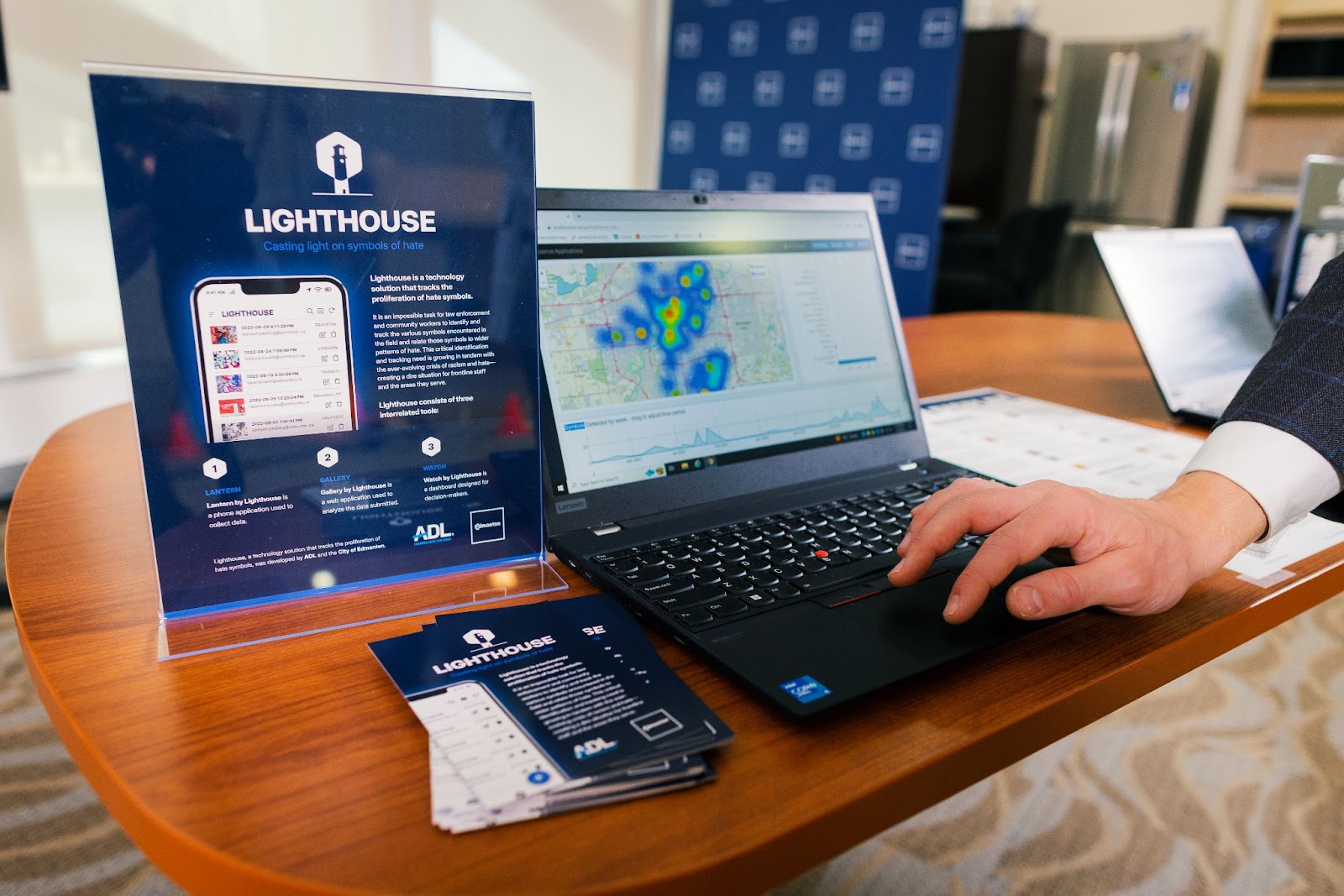
Furthermore, Slovenia has employed information and communication technology to provide open data and develop an innovative mechanism to monitor alien plants and determine where they are spreading using aerial and satellite images. This was achieved through specialized software to facilitate the task of experts and a streamlined beta version for citizens. The APPLAUSE platform consists of three main operations: the application used by experts during field research, the management system used by green space administrators to organize job orders and the collection and delivery procedures, and finally the application dedicated to helping citizens identify IAPS.
Thanks to this platform, Ljubljana successfully employed circular production to control the number of IAPS, instead of incinerating them. The project is expected to collect over 45,000 kg of alien plants that can be used in wood and paper production.
The project was responsible for training at least 2,350 citizens on how to identify, harvest, and process IAPS, which further increased the reliance on local economies. Moreover, the Academy of Fine Arts and Design, part of the University of Ljubljana, organized a three-month workshop during which students tested the biomass of alien plants, conducted the necessary research, and developed a composting toilet and mobile kitchen. The students also designed reusable hot food packaging materials. Furthermore, a system of digital tools is being designed to identify and locate IAPS in fields.