

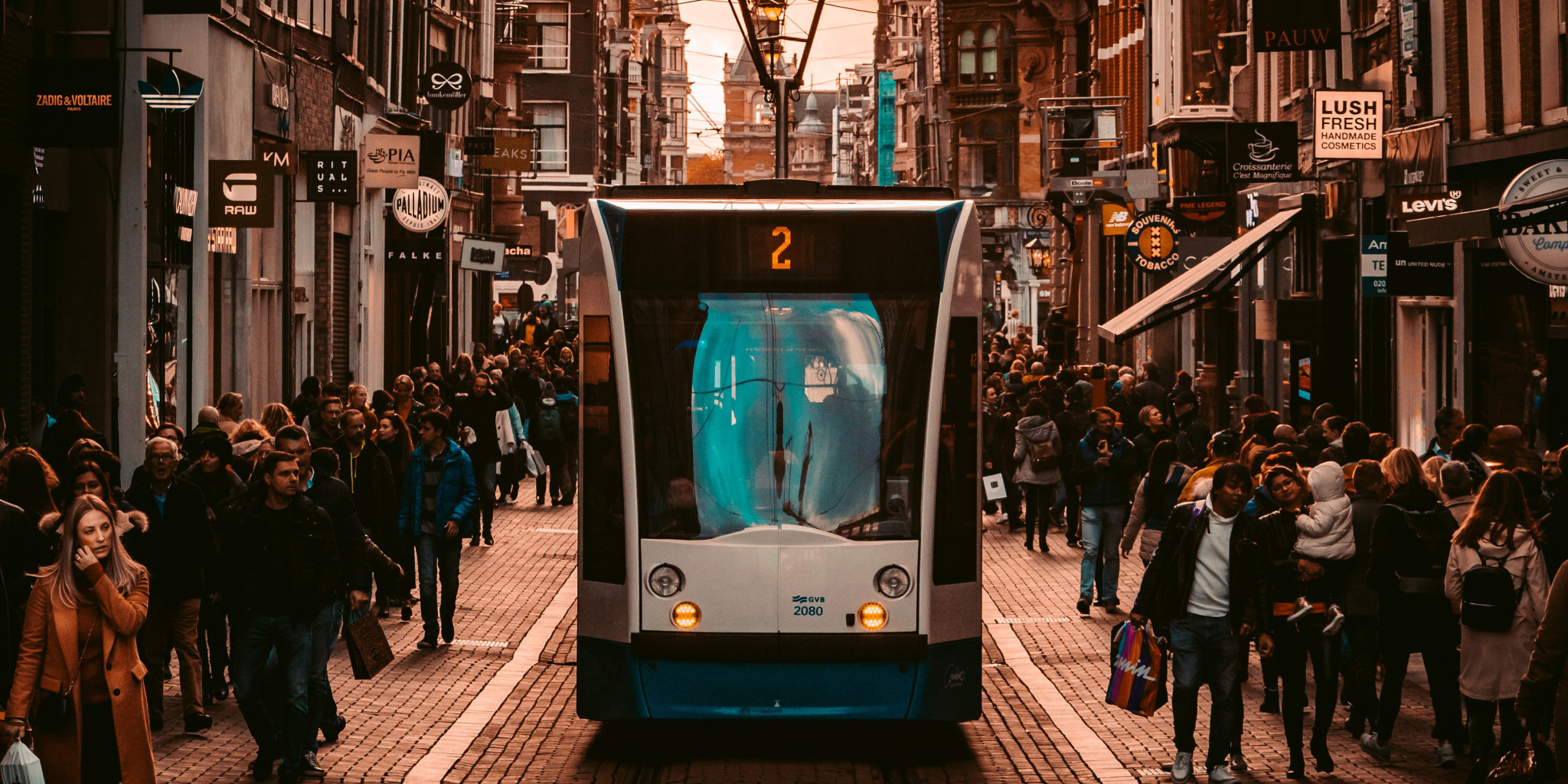
Helsinki and Amsterdam have launched the world’s first AI registries. These registries are the result of collaboration and joint implementation efforts to serve as information centers that clarify how both governments can use algorithms to improve services and the lives of community members. This step is in line with both cities’ commitment to achieving open and dignified digital development, and their desire to use AI more transparently and motivate community members to assess and criticize it.
Building human-centered AI
Transparency is at the forefront of Amsterdam and Helsinki’s endeavors across several areas and axes of both governments. AI may be a relatively new feature to the way modern cities are managed. However, it is crucial for the community to trust AI and be willing to contribute to its improvement especially since AI is an integral part of everyday life.
On September 24, 2020, the capitals of the Netherlands and Finland announced that they have become the first two cities in the world to release algorithm registries. This operation is being implemented by Saidot, a Finnish company specializing in services and technologies that make the use of artificial intelligence more transparent.
These registries, which are still “under construction,” have already shown a significant difference between the use of artificial intelligence and algorithms in the two capitals. The following is a summary of the content of each registry.
How are algorithms used in Amsterdam?
The algorithm registry of Amsterdam is still in beta version and only has three algorithms.
- The first algorithm covers and monitors parking spots. The algorithm shows if the parked cars in Amsterdam are authorized to do so and if parking fees have been paid. For that, camera-equipped cars pass by all the 150,000 official parking spaces in the city to scan the license plates and use the algorithm to identify pictures and determine if they are in compliance or in violation of the laws by sending them to the National Parking Registry.
- The second algorithm is used by Amsterdam to regulate public space reports. This algorithm helps community members by facilitating the reporting process of any site in need of repairs or maintenance work in the city by “guessing” the correct issue category and sending it to the relevant municipal department. The algorithm recognizes certain words, such as “waste” and “sidewalk” to specify the category, which is believed to result in a faster response to citizen queries.
- The third algorithm used by Amsterdam aims at fighting holiday rental home fraud, a pressing challenge faced by the Dutch capital due to limited accommodations and living spaces. The algorithm is used to determine whether homeowners adhere to rules and restrictions regarding length of stay and number of guests. AI supports the Supervision and Enforcement employees and facilitates their jobs when investigating reports of illegal rental cases. Based on data from housing fraud cases in the past five years, the system assesses the risks of a certain property being rented out illegally, thus helping the prioritization of reports that need the most attention.
Each algorithm mentioned in the registry includes lists of datasets that are used to train a certain model, in addition to a description of how the algorithm is used, how we can benefit from its predictions, and a method for evaluating algorithms for potential bias or risk. The registry provides community members with an effective means to submit their feedback and opinions on the algorithms that their local governments are using by mentioning the name of the person responsible for publishing and disseminating a particular algorithm, the name of the department where they work, and their contact information. The complete algorithm registry can empower individuals and give them a way to evaluate, study, examine, and even criticize or question government AI applications.
Amsterdam’s registry may be confined to a limited number of algorithms. However, this will change after collecting feedback and opinions during the Next Generation Internet Policy Summit organized by the city of Amsterdam and the European Commission in 2020. The AI or algorithm registry in Amsterdam has been tasked with containing all AI technologies used by the city to deliver municipal services.
How are algorithms used in Helsinki?
Similarly to Amsterdam, the Finnish capital has so far shared five uses of AI in service delivery on the AI registry. The first three are chatbots harnessed in city parking, maternity clinic, and health center.
In all three cases, the service provides automated responses that should improve the information support to customers and facilitate their access to information throughout the day. The services are based on natural language processing software that recognizes what the customer is searching for to find the proper advice or instructions. In the Central Library OODI, chatbots are used in a slightly different fashion. Specialized chatbots recommend books to customers based on contextual analysis, their interests, and their opinions. The city’s library, which contains 1.8 million items, has resolved some challenges thanks to AI. The Intelligent Material Management System (IMMS) allows them to move items freely between different libraries, thus making it possible for customers to influence the offering at each branch according to their activities and interests while library experts can modify system configurations based on reports and observations.
Both registries need more details before they can achieve the desired results of enhancing the community‘s understanding of the algorithm’s areas of use in cities. They will most likely also shed light on the increased impact that AI has on our daily lives.
Resources:
https://www.themayor.eu/sl/helsinki-and-amsterdam-with-first-ever-ai-registries