
MBRCGI Websites
|
Ibtekr.org
|
MBRCGI.gov.ae
|
UAE Innovates
|
Edge of Government
|
Pitch@Gov

More results...

Generic selectors
Exact matches only
Search in title
Search in content
Post Type Selectors

Virtual Doctor: An Emirati initiative inspired by the COVID-19 crisis

5 minute read
To strengthen telehealth services amid the COVID-19 crisis, the UAE's Ministry of Health and Prevention has launched the Virtual Doctor service to assess cases potentially infected with COVID-19, as part of the country's efforts to contain the virus.

Share this content

The novel coronavirus, which plagued the world a few months ago, has burdened governments and sectors, notably healthcare, since the start of the outbreak. As COVID-19 engulfed the nations, health systems were collapsing and medical staff was at risk of contracting COVID-19, as a result of their continuous interaction with infected cases. Therefore, the infected medical personnel will not only increase the number of infected people, but they will also increase the burden on the health system due to low efficiency and ability to treat and care for patients.

As part of the initiatives addressing this global pandemic, the concept of telehealth services had emerged as an effective and sustainable solution to prevent the spread of COVID-19. Telehealth services are particularly important during this time because they can bridge the gap between individuals, physicians, and health systems. Moreover, they allow people, especially symptomatic patients, to stay at home and communicate with doctors through virtual communication channels. Consequently, the virus will stop spreading among large numbers of individuals and medical staff.

To enhance the capabilities of telehealth services during the COVID-19 crisis, the UAE’s Ministry of Health and Prevention has launched the Virtual Doctor. This service aims at assessing cases potentially infected with the coronavirus, as part of the country’s efforts to contain the virus. At the same time, this service alleviates the burden placed on health systems and services in various parts of the country. The Virtual Doctor is simple and easy to use. Five multiple-choice questions are asked to determine the user’s travel history, symptoms, and whether they have been in contact with infected persons.

“Salam Alaikum, I’m here to guide you through the Coronavirus Assessment Tool. If you are experiencing a life or limb-threatening emergency, call [998]. I’m not a substitute for professional medical advice, diagnosis, or treatment. Always consult a medical professional for serious symptoms or emergencies,” the service tells users.

The foremost question posed is if a person has traveled to any of these countries, China, Hong Kong, Italy, Iran, the Republic of Korea, Spain, France, Germany, the US, Switzerland, the Netherlands, Denmark, Sweden, Norway, Japan, Belgium, Austria, Kuwait, and Bahrain.

The second question tackles the issue of having contact with someone who traveled to or passed through any of these countries and is currently experiencing any symptoms. The Virtual Doctor will then ask the users if they had been exposed to an infected person who started showing any symptoms, such as fever, cough, runny nose, dry throat, or shortness of breath.

The tool provides two different responses, depending on the user’s answers. It may display the following: “We would like to talk with you as soon as possible. Please call 998,” or “Dear patient, you have a low risk for COVID-19. If you need further information please call the following number: 800-FLU [358].”

Source: 2 1

Subscribe to Ibtekr to stay updated on the latest government initiatives, courses, tools and innovations
Register Now
Subscribe to Ibtekr’s Newsletter
Innovators’ Mailing List
Our newsletter reaches more than 30,000 innovators from around the world! Stay up to date with innovations from across fields of practice in the public sector.
Subscription Form (en)
More from Ibtekr

The Deviation Game: A Japanese Innovation Rekindling Human Creativity in the Age of Algorithms

In a world increasingly shaped by artificial intelligence, a deceptively simple game emerging from Japan, “Deviation Game,” is making a bold statement: human creativity still holds a unique power that no machine can replicate. By nudging players to think beyond conventional cues and craft ideas that defy algorithmic imitation, the project highlights not just the current limitations of AI, but the irreplaceable essence of human expression.

 · · 17 March 2026

The New DGP: A Data Tool that Aims to Track Inequality in Real-time

Experts are gaining a direct view of the economy’s core dynamics, uncovering not only the scale of growth but also who truly benefits from it. This American initiative provides policymakers with powerful tools to track and respond to disparities in real time, introducing a groundbreaking innovation that redefines how the economic landscape is understood.

 · · 19 January 2026

Redesigning Comfort: The Navy’s Quest for Better Uniforms for Female Sailors

In the US Navy, one of the most demanding work environments in terms of precision and efficiency, the administration observed female personnel feeling restricted by the standard uniform. It embarked on an ambitious mission to redesign it using an innovative, data-driven, and inclusive approach, ensuring it met their needs and the nature of their duties while remaining a symbol of professionalism, identity, and unity.

 · · 19 January 2026

How Technology is Helping Track Graffiti to Fight Hate Crimes in Canada

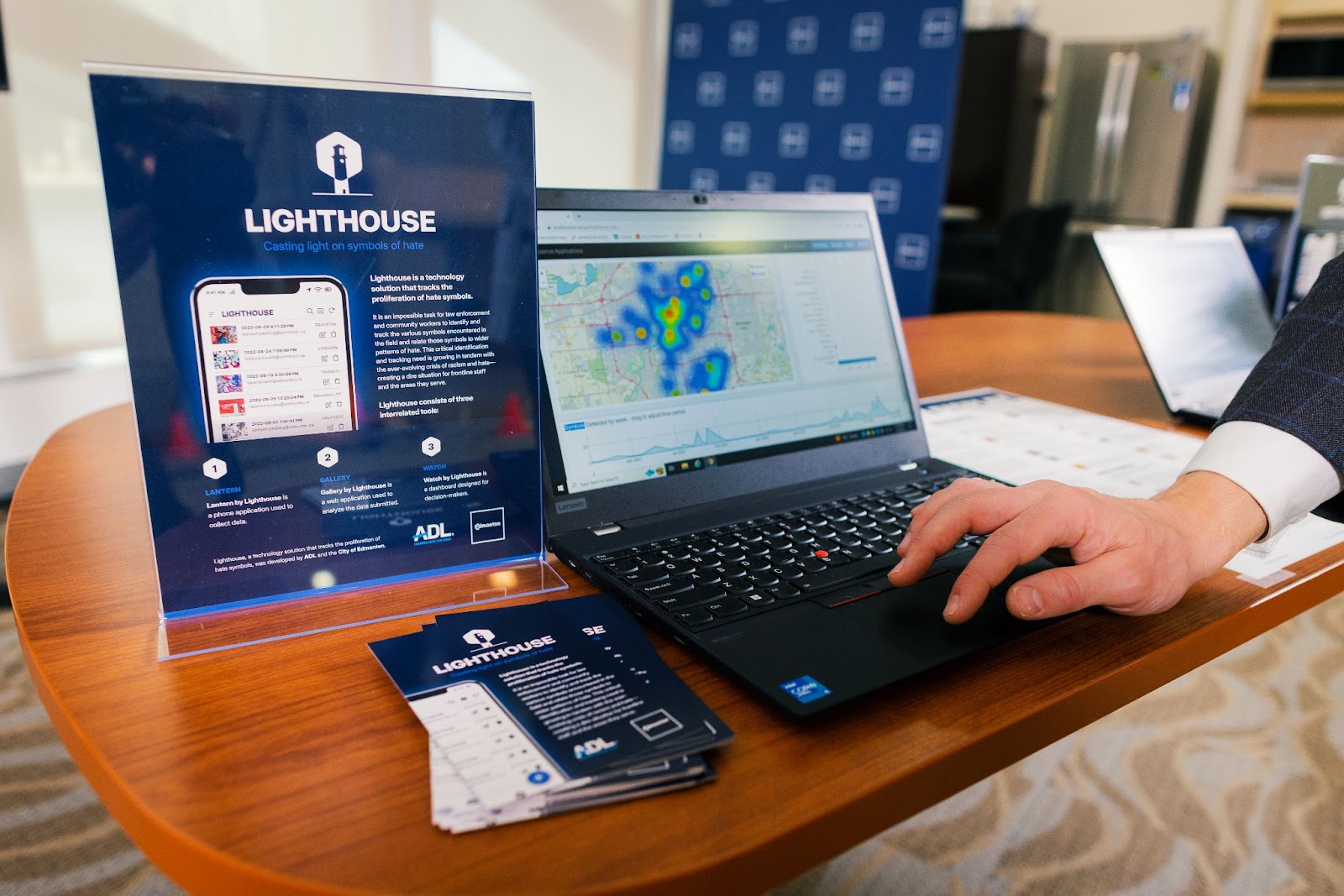
In the era of artistic freedom, a creative product can either inspire peace or embody intolerance. In Canada, a nation that prides itself on its diversity, the spread of hate cannot be permitted, even within an artistic framework. Consequently, the city of Edmonton launched the "Lighthouse" initiative, harnessing the power of technology to monitor and mitigate expressions of hate.

 · · 2 January 2026

Voices of Poverty: A Narrative Approach to Human Development in India

The Indian Poverty and Human Development Monitoring Agency (PHDMA) has reimagined its data collection methods to cultivate a genuine understanding of the lives of the people behind the statistics. By gathering narratives and visual evidence, analyzing data, and unifying stakeholders, the agency is establishing a novel approach to human development.

 · · 2 January 2026
1 2 3 91
crossmenuchevron-down linkedin facebook pinterest youtube rss twitter instagram facebook-blank rss-blank linkedin-blank pinterest youtube twitter instagram
This site is registered on wpml.org as a development site. Switch to a production site key to remove this banner.