

Singapore is a massive tourism destination in the world, with a record of 17.4 million visitors and $26.8 billion in tourist expenditure, according to 2017 statistics. As part of its efforts to improve the experience of tourists in the city, the Singapore Tourism Board (STB) has collaborated with Gardens by the Bay, Sentosa, Wildlife Reserve, and Expedia to develop an analytics network that collects and analyzes data related to the tourism sector and tourist behavior, including spending patterns, lengths of stay in hotels, dates of arrival, modes of travel, website traffic, and other hospitality-related information.
The Singapore Tourism Analytics Network (STAN) relies on several resources to obtain data, mainly actors in the tourism sector that provide valuable data that contribute to extracting applicable insights and making information-based decisions to manage the tourism sector. Participants can also view insights and data analytics without revealing the identity of users or accessing information about competitors. In advanced stages, STAN launched the Tourism Information and Services Hub, an integrated and unified network that serves companies and users simultaneously to help companies exchange, share, and standardize information related to the tourism sector. In the future, STB plans on providing analytics tailored to corporate needs for the benefit of partners in the sector.
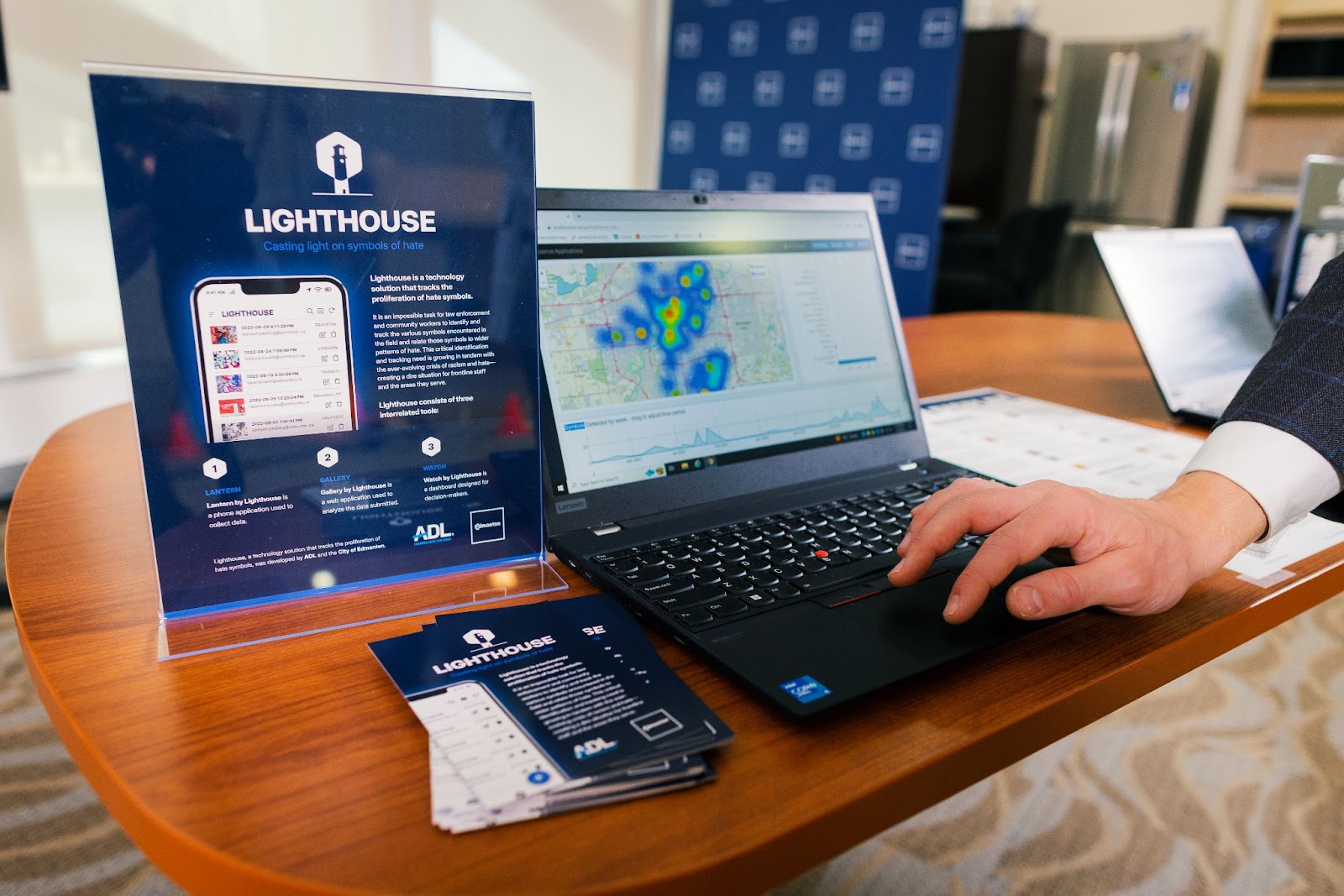
Another STAN source of data is STB, which provides useful visitor data and prepares targeted marketing plans. Consequently, the STB acts as a mediator that collects data and complementary insights from companies working in the sector, as well as other resources. STAN enables companies to make data-driven decisions, enhances resource employment, and ensures its services and offers are in line with tourist needs. In the first pilot, STAN collected tourist expenditure data from local telecom companies, and then analyzed and visualized them using charts and graphs.
STAN includes a system of integrated solutions that contribute to data collection, integration, and analysis. These solutions have many advantages, such as accessing tourism data to extract applicable insights and providing easy-to-use analytics tools to analyze and display data in a simplified way. STAN also feeds its predictive models with input to generate predictions and forecasts and helps companies save the cost of purchasing data analysis systems. On another hand, STAN benefits companies by allowing a deep and comprehensive understanding of the experiences and travel preferences shared by users through social media, such as visited sites, purchased goods, planned trips, and movement patterns once they reach the destination.
The main role of Tourism Information and Services Hub, which has over 1,800 registered international companies, is meeting the sector’s needs based on the updated information about the products it offers. It also gathers data and content related to tourism to become a unified source of tourism data. The integrated channel strategy includes a set of APIs such as Visit Singapore, which increases marketing coverage across different channels, in addition to smart kiosks that provide information at monitoring points that are strategically located in tourist destinations. The One Tourism Pass gives tourists fast entry to popular tourist attractions. To strengthen the tourists’ sense of loyalty and belonging, they can now create a private account on Visit Singapore’s page and receive their own digital code.
STAN has made great achievements in supporting the tourism sector with key data. After analyzing the data, STAN operators concluded that one in ten tourists would change hotels during their stay in Singapore. They also noticed their tendency to change hotels on the third day if they were in Singapore for five days or less. Data showed that the vast majority of Japanese and South Korean tourists change their hotels to stay in a higher-tier hotel or integrated resort. The analysis also found that tourists from China and Indonesia spend most of their visit in key shopping areas of Singapore. STAN also concluded that Chinese visitors extend their stay by one to two or three to five days when visiting Orchard Road, Marina Bay, and areas near the Sentosa port front, compared to Indonesian tourists. With this insight and information, STAN successfully provided local retail companies with information to help them prepare marketing plans that tailor to the needs of different market segments.