MBRCGI Websites
|
Ibtekr.org
|
MBRCGI.gov.ae
|
UAE Innovates
|
Edge of Government
|
Pitch@Gov

More results...

Generic selectors
Exact matches only
Search in title
Search in content
Post Type Selectors

London Police Uses Biometrics Device to Confirm the Identity of suspects in 60 Seconds

4 minute read
The moment when a suspect is arrested, they have to be detained to process an identity check in case they are not carrying identification documents; a common practice worldwide.
Share this content

The moment when a suspect is arrested, they have to be detained to process an identity check in case they are not carrying identification documents; a common practice worldwide. This process is time-consuming and requires space for detention, thus increasing costs incurred by police stations and wasting time that could have been used by the police to maintain security in the streets.

London’s Metropolitan Police addressed this challenge by developing a mobile biometric device called INK Biometrics. It scans the fingerprints of suspects and reveals their identity within 60 seconds, providing that they are registered in the police database. The user-friendly device has been designed to allow patrol officers to use and recharge it in their cars.

This mobile device is the result of the efforts of Metropolitan Police officers who designed special software that can be used on an Android smartphone and paired with a Crossmatch fingerprint reader. The device’s main function is to communicate safely with the Biometric Services Gateway, which was developed by the Home Office to search databases from the Criminal Records Office and Immigration Enforcement.

The identity of the suspect can be confirmed if they have a criminal record or are known to the Immigration Enforcement database. The device can be used by officers with relevant clearance to search national police engines and check if the suspect is wanted for outstanding offenses. Fingerprints recorded on the device are deleted once an officer logs off.

The internally developed system has undergone numerous tests conducted by the Police Digital Service and the Metropolitan Police Service, Transformation Directorate. The development team wanted to make sure that the device is easy to use and rechargeable in police or patrol vehicles.

Although the police do not scan fingerprints except for a lawful justification in accordance with the Police and Criminal Evidence Act, this technology reduced the need to escort suspects to police stations to verify their identity, which in turn enhanced performance efficiency and decreased costs.

According to estimates by the London Police, this device saved at least £0.5 million in costs. By October 2019, 550 devices were distributed to London Police officers and another 250 devices are planned to be distributed by 2020.

Resources:

Subscribe to Ibtekr to stay updated on the latest government initiatives, courses, tools and innovations
Register Now
Subscribe to Ibtekr’s Newsletter
Innovators’ Mailing List
Our newsletter reaches more than 30,000 innovators from around the world! Stay up to date with innovations from across fields of practice in the public sector.
Subscription Form (en)
More from Ibtekr

The Deviation Game: A Japanese Innovation Rekindling Human Creativity in the Age of Algorithms

In a world increasingly shaped by artificial intelligence, a deceptively simple game emerging from Japan, “Deviation Game,” is making a bold statement: human creativity still holds a unique power that no machine can replicate. By nudging players to think beyond conventional cues and craft ideas that defy algorithmic imitation, the project highlights not just the current limitations of AI, but the irreplaceable essence of human expression.

 · · 19 January 2026

The New DGP: A Data Tool that Aims to Track Inequality in Real-time

Experts are gaining a direct view of the economy’s core dynamics, uncovering not only the scale of growth but also who truly benefits from it. This American initiative provides policymakers with powerful tools to track and respond to disparities in real time, introducing a groundbreaking innovation that redefines how the economic landscape is understood.

 · · 19 January 2026

Redesigning Comfort: The Navy’s Quest for Better Uniforms for Female Sailors

In the US Navy, one of the most demanding work environments in terms of precision and efficiency, the administration observed female personnel feeling restricted by the standard uniform. It embarked on an ambitious mission to redesign it using an innovative, data-driven, and inclusive approach, ensuring it met their needs and the nature of their duties while remaining a symbol of professionalism, identity, and unity.

 · · 19 January 2026

How Technology is Helping Track Graffiti to Fight Hate Crimes in Canada

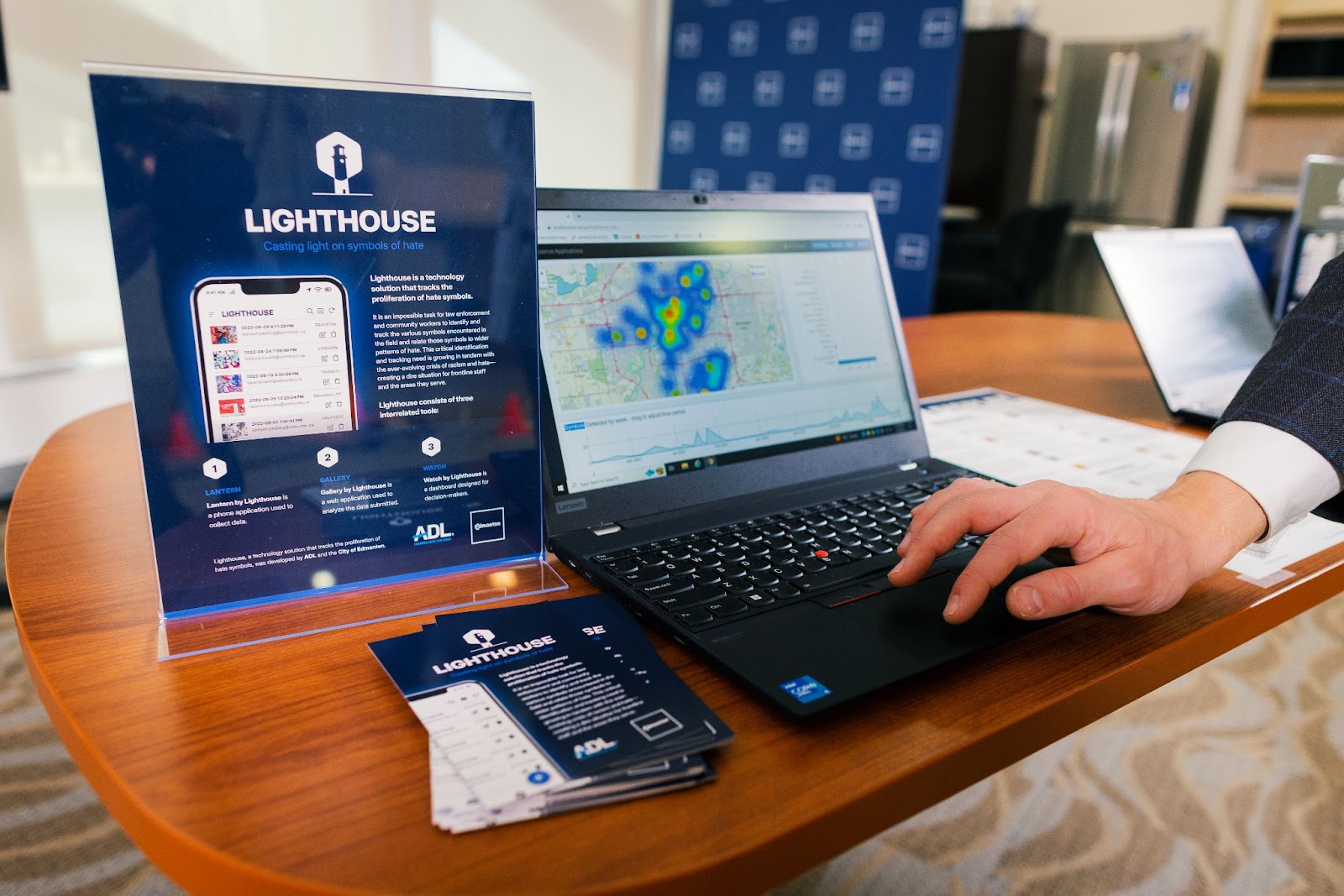
In the era of artistic freedom, a creative product can either inspire peace or embody intolerance. In Canada, a nation that prides itself on its diversity, the spread of hate cannot be permitted, even within an artistic framework. Consequently, the city of Edmonton launched the "Lighthouse" initiative, harnessing the power of technology to monitor and mitigate expressions of hate.

 · · 2 January 2026

Voices of Poverty: A Narrative Approach to Human Development in India

The Indian Poverty and Human Development Monitoring Agency (PHDMA) has reimagined its data collection methods to cultivate a genuine understanding of the lives of the people behind the statistics. By gathering narratives and visual evidence, analyzing data, and unifying stakeholders, the agency is establishing a novel approach to human development.

 · · 2 January 2026
1 2 3 91
crossmenuchevron-down
This site is registered on wpml.org as a development site. Switch to a production site key to remove this banner.