
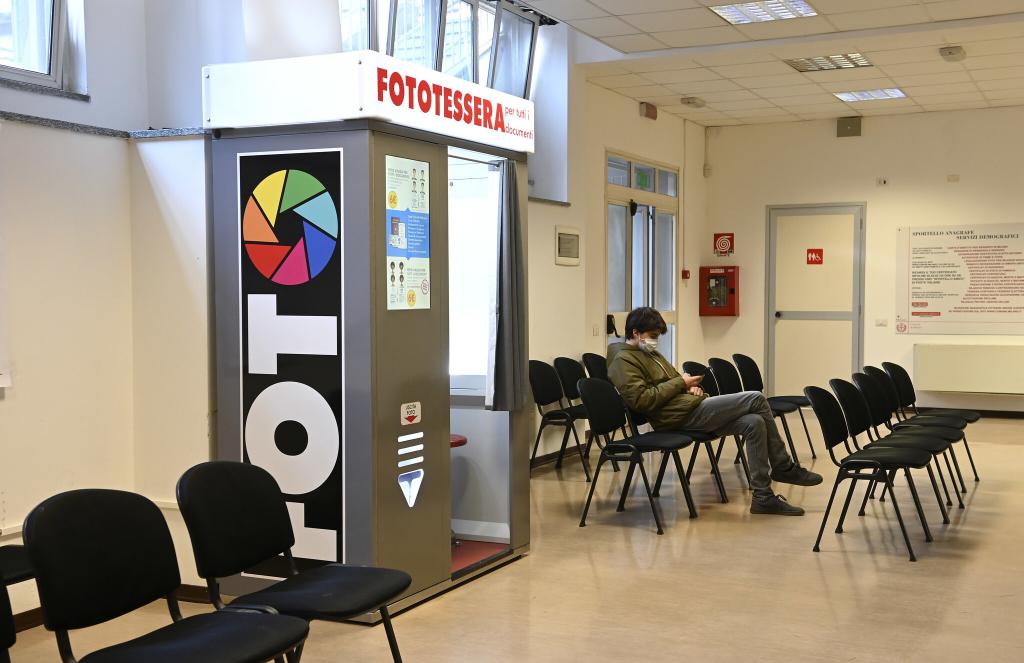
To increase the level of security and prevent theft or forgery of identity cards, Italian citizens can issue electronic identity cards with contactless microchips that enable electronic signature. To expedite the process of issuing digital identities, The Municipality of Milan has recently launched a digital tool in civil registration offices, They are cameras that automatically take pictures and upload them to a ready-made system for processing official documents.
Italy has for many years been one of the few European countries whose citizens still hold paper identity cards. Which was one of the most forged documents in Europe, Until the Italian government launched the project to digitize the National Register of Resident Population, a single central database that today collects information from more than 45 million people, Sourced from the municipalities that gradually joined the project, Where citizens can request certificates, and change of residence, Even between one municipality and another. The system has facilitated and made available the issuance of electronic identity cards in most municipalities. Within two years of the arrival of version 3.0, The government had granted these identification documents to more than 8 million citizens.
When a citizen applies for the card in his municipality, The latter transfers the data through the Ministry of Interior to the State Printing Corporation, where the cards are printed before being sent back to the specified address. In fact, the issuance of identity cards at a central headquarters means the use of the latest machines and technologies available to combat counterfeiting, But the operation of these mechanisms and technologies requires specialists, It is also too complex and expensive to be available in all municipalities.
In addition, Some municipalities face difficulties in managing application dates and timely delivery of cards, This prompted the digital transformation team to cooperate with the Government Corporation for Printing and Minting to develop a new online reservation system, Where citizens wishing to obtain an identity card can choose their municipalities, The system shows them the available dates for booking, which suit their needs, Without having to log in, It also allows them to enter data and upload personal photos. However, this step opens the door to many errors related to achieving the picture of the conditions set by the International Civil Aviation Organization, Especially among users who are not familiar with the requirements of official images or those who are not familiar with dealing with modern technologies.
To make issuing e-cards easier and smarter, The Municipality of Milan has launched a new digital transformation, It began equipping civil registry offices with 15 booths that took pictures and uploaded them automatically to the document application system.
Once the picture is taken inside the cockpit, A digital copy is uploaded to the computer system, The size and clarity of the image are then checked and meets legal standards before being placed within the documents. While the citizen receives a printed copy bearing the image along with a barcode and an alphanumeric code, To provide the operating service employee with them. When a citizen obtains this code, It can download the associated image from the server.
To ensure that e-ID cards are secure and protected documents, The executive team used special types of ink along with holograms (holograms). Each card was also equipped with a radio-wave chip containing the cardholder’s data, a digital photo of his face and two fingerprints. The Ministry of the Interior digitally signs all such data so that they are not subject to change.
The card is also designed to be multi-purpose, It can be used as a tool for instant identification, A device as simple as a smartphone can read it and link it to its owner’s tax identification number. With this, They can simply be swiped in front of special devices at stadium entrances to open doors instead of manually showing fan cards and checking them. According to the same principle, Can be used in libraries, businesses, hotels and even for online authentication, This is done by a special reader that is connected to a computer or an Android phone equipped with NFC units.
The challenges did not end with identity card fraud and data theft, The idea of fingerprinting remained a cause for significant fears. Fingerprinting is a prerequisite for a citizen to obtain an identity card. lest this challenge hinder the progress of the project, The executive team was keen to save fingerprints in the internal memory of the card only and protect them with secure access mechanisms issued by the Ministry of Interior to persons authorized to verify the identity of the cardholder through fingerprints, Such as airport security crews.
By embracing the new technology, Shooting, scanning, and adjusting the size and position of images will be canceled, This means increasing the productivity of civil servants, Shorten waiting time, and speed up the issuance of cards.
Automatic cameras will also ensure standard quality that complies with the standards set by the regulations of the International Civil Aviation Organization, It will ease the burden of bureaucracy on citizens and make electronic cards available even to those unfamiliar with modern technologies. Most importantly, these cards allow the physical and digital identity of their owners to be protected through advanced standards that ensure security and combat counterfeiting.
References:
- https://www.themayor.eu/en/a/view/milan-speeds-up-id-card-issuing-with-new-automatic-photo-booths-9709
- https://medium.com/team-per-la-trasformazione-digitale/italy-electronic-identity-card-id-cie-agenda-online-booking-system-appointment-municipality-4983dc1abba5
- https://www.anagrafenazionale.interno.it/il-progetto/
- https://medium.com/team-per-la-trasformazione-digitale/anpr-45-million-italian-citizens-expected-national-population-registry-digital-transformation-da038e845160
- https://www.anagrafenazionale.interno.it/il-progetto/